RBC-Ukraine published the interview at 12:12 Kyiv time on 2 October 2026 under the bylines of Tetyana Stepanova and Roman Kot. Onodera told the outlet: "In Japan there are certain legal restrictions, and also restrictions at the level of state policy. However, under the leadership of Prime Minister Takaichi, we intend to initiate inter-governmental discussions regarding further steps, using this visit as a catalyst." He also said: "I sense we are at a stage where trust between Japan and Ukraine continuously strengthens. Regarding the future development of relations, we plan appropriate consultations with the Japanese government based on today's exchange."
RBC-Ukraine's headline and lead state that Japan plans to consider transferring Patriot missiles and that the talks will cover providing or selling weapons "including interceptors". The quoted passages do not name a weapon system. The article does not print the question Onodera was answering. Kyiv24 and other Ukrainian sites republished the story within hours under headlines that Japan "will consider" a Patriot transfer, citing RBC-Ukraine as the only source.
Onodera served as defence minister from 2012 to 2014 and again from 2017 to 2018. He holds no cabinet post in Sanae Takaichi's government, which took office in October 2025, and speaks for a parliamentary delegation, not for the government.
The delegation's visit
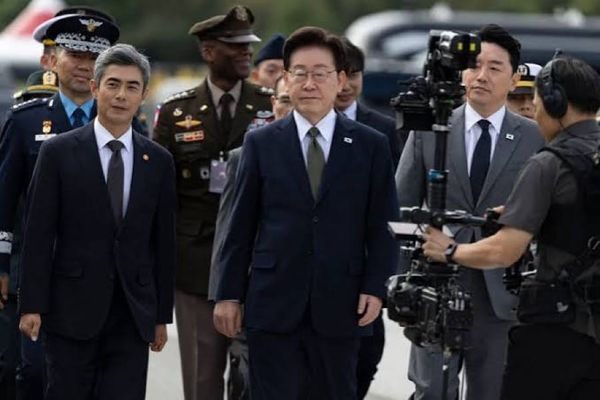
Andrii Sybiha, Ukraine's foreign minister, met Onodera and members of the House of Representatives in Kyiv on 30 September. Interfax-Ukraine reported that they discussed security and defence cooperation, Russia's military ties with North Korea, Black Sea shipping, sanctions and frozen Russian assets. "While Russia is escalating its missile and drone assaults against Ukraine, the Japanese delegation proceeded with their planned visit to Kyiv without delay," Sybiha said. Ukrinform's Japanese service reported that the delegation's train stopped three times and that members went to shelters on the way to Kyiv.
Onodera told 112 Ukraine: "Our delegation is the first focused specifically on defence matters. We are currently developing a strategy regarding defence cooperation." Japan Today, carrying Kyodo News, reported that he also met President Volodymyr Zelenskyy and Ukraine's defence minister and that Kyiv sought Japanese help on drone interception and on countering jet-powered drones and ballistic missiles. Onodera called the information "extremely meaningful" and said it would feed into Japan's revised security documents, due by the end of 2026. Kyodo's Japanese headlines described the trip as seeking cooperation on drone technology and reported that Zelenskyy asked Onodera for help on drones.
Zelenskyy wrote on X at 21:26 Kyiv time on 1 October that he had held "a good meeting" with the delegation on a day when a drone struck a school "while classes were in session" and Russian forces hit the Pivdennyi Bridge in Kyiv. Kyiv Post and other outlets reported both strikes that day; more than 100 pupils had reached the school's shelter before the drone hit its third floor and no one was hurt. Zelenskyy thanked Japan for "all the economic and humanitarian support" and wrote that he and Takaichi had discussed in New York "how to do more for bilateral relations between our countries and for our security". His post does not mention Patriot missiles, interceptors or arms transfers.
Onodera posted a short video on X at 10:19 Tokyo time on 2 October showing Zelenskyy filming a selfie with the delegation at night. Onodera wrote in Japanese that Zelenskyy had taken them to the spot where he recorded his video on 25 February 2022, the day after Russia's full-scale invasion began, and restaged it with everyone present. Zelenskyy shared the video at 11:20 Kyiv time. "It's important that our partners are here, in Ukraine, to support our people amid Russia's savage escalation of drone and missile terror. Together, we can protect lives, and air defense is key to that," he wrote. Neither post mentions Patriot missiles.
Eisuke Mori, speaker of the House of Representatives, visited Kyiv on 14 September and said Japan should "cooperate with an open mind" on drones and unmanned surface vessels. Takaichi met Zelenskyy for the first time on 23 September in New York, during the UN General Assembly. "Japan supports Ukraine. This policy will not change," she said, according to UNN. The Japan Times headlined its report of the meeting "Takaichi holds first talks with Zelenskyy, but no mention of defense cooperation".
Japan's export rules
Takaichi's cabinet revised the Three Principles on the Transfer of Defence Equipment on 21 April 2026. The revision dropped the five non-combat categories (rescue, transport, warning, surveillance and minesweeping) that had limited exports of finished equipment, and allowed lethal exports to the 19 countries with which Japan has defence equipment agreements. Exports to countries engaged in armed conflict stay barred except "under special circumstances" where a partner's needs affect Japan's security, according to Adnkronos. The government will notify the Diet after approving a sale. "We'll strategically promote defence equipment transfer to create a desirable security environment," Minoru Kihara, the chief cabinet secretary, said.
Yurii Lutovinov, Ukraine's ambassador to Japan, told Reuters on 1 May that the change "allows us to talk" and was "a very big step forward". He said Ukraine would first need a defence equipment and technology transfer agreement with Japan. Ihor Zhovkva, deputy head of Ukraine's presidential office, said in February that work on the text "is ongoing". No public record found for this report shows the agreement has been signed.
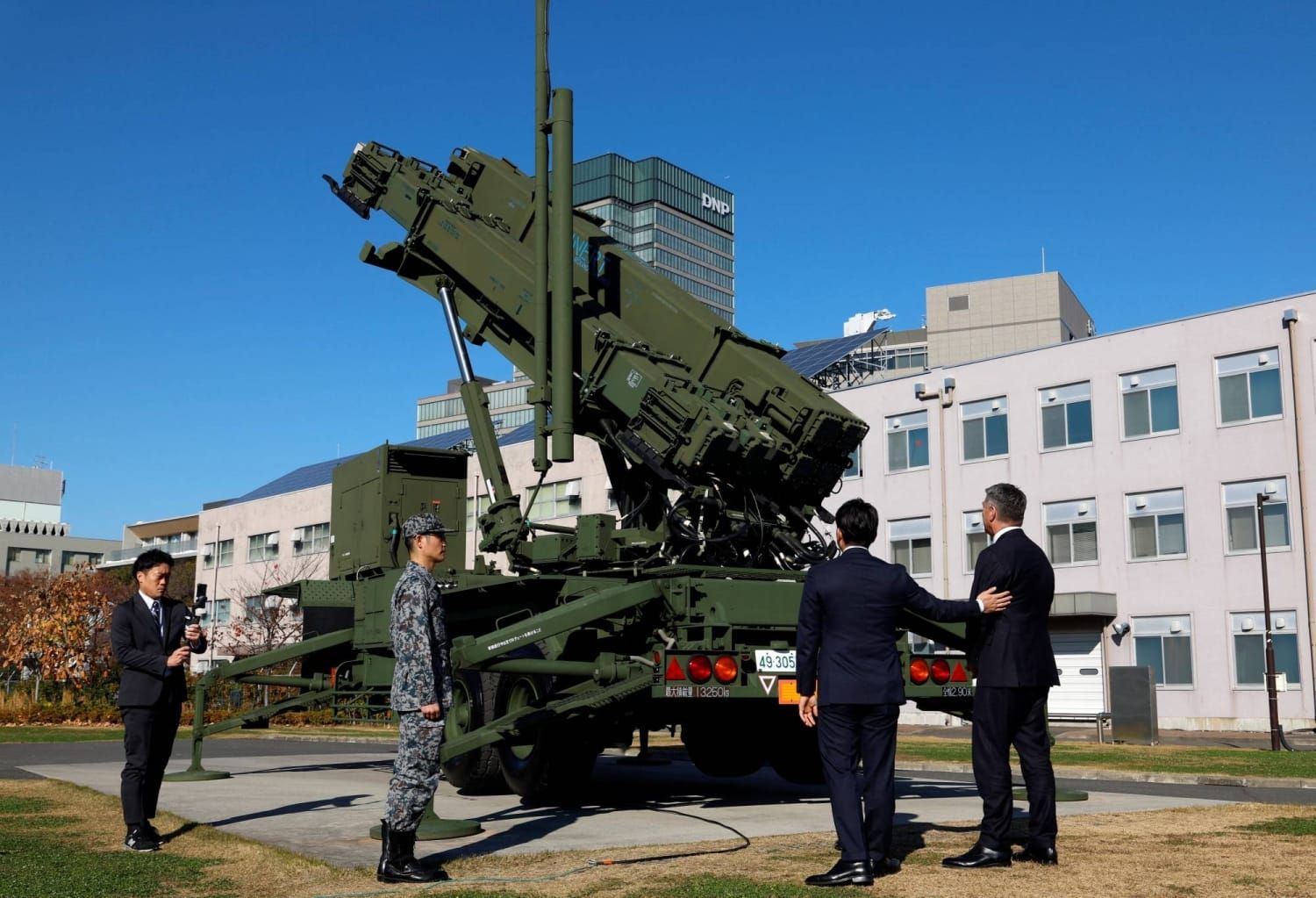
Mitsubishi Heavy Industries builds PAC-3 interceptors under licence from Lockheed Martin, at roughly 30 a year according to The Defense Post. A December 2023 change let Japan send licence-built equipment back to the licensing country, and Tokyo agreed then to ship Patriot interceptors to the United States so Washington could backfill stocks sent to Ukraine. Rahm Emanuel, then US ambassador to Japan, said the deal "helps us manage our inventory of Patriots, given Ukraine and the Middle East, with a little more flexibility". Japan delivered PAC-3 interceptors from its air force stocks to the United States in November 2025. Kihara said they "will not be provided to any other government but the US government".
Kihara told a press conference on 24 August 2026 that supplying interceptor missiles to Ukraine was "not under consideration at present", Kyodo and the Sankei Shimbun reported. No Japanese government statement since Onodera's interview has changed that position.
Ukraine's request
Zelenskyy told the Coalition of the Willing summit in France on 13 July: "We have calculated that this package should include 100 missiles for Patriot per month: 300 missiles for the winter." RBC-Ukraine wrote that the most recent US aid packages did not include Patriot missiles. Sergiy Kyslytsya, first deputy head of the presidential office, told Kyodo in July that Ukraine was in "political dialogue" with Japan on producing Patriot systems under US licence. "We need training. We need assistance," he said.
Shigefumi Matsuzawa, an opposition lawmaker, pressed Shinjiro Koizumi, the defence minister, in a Diet committee in June to authorise Patriot transfers to Ukraine, according to Defence Blog. "Ukraine is desperately defending against Russia's indiscriminate missile attacks. But they are running out of interceptors," he said. Koizumi made no commitment.
Japan's support for Ukraine since 2022 exceeds US$20 billion in financial and humanitarian aid, according to the Kyiv Post, including a US$1.3 billion grant in April funded by profits from frozen Russian assets and US$14.7 million to NATO's Prioritized Ukraine Requirements List in May. Tokyo has supplied non-lethal equipment such as generators and has not sent lethal weapons.