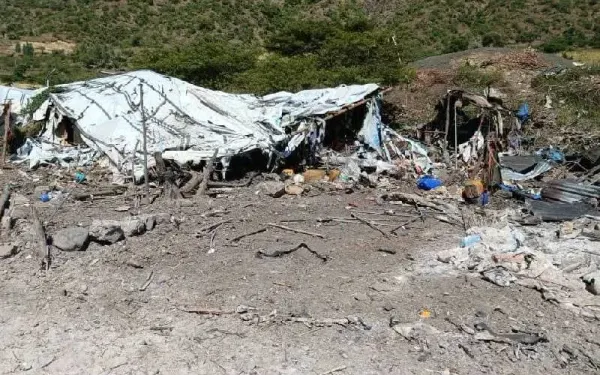
An army Antonov aircraft dropped three barrel bombs on Um Badr in North Kordofan on 4 November, killing two women, injuring 10 people and wrecking a water station, the Emergency Lawyers rights group said.
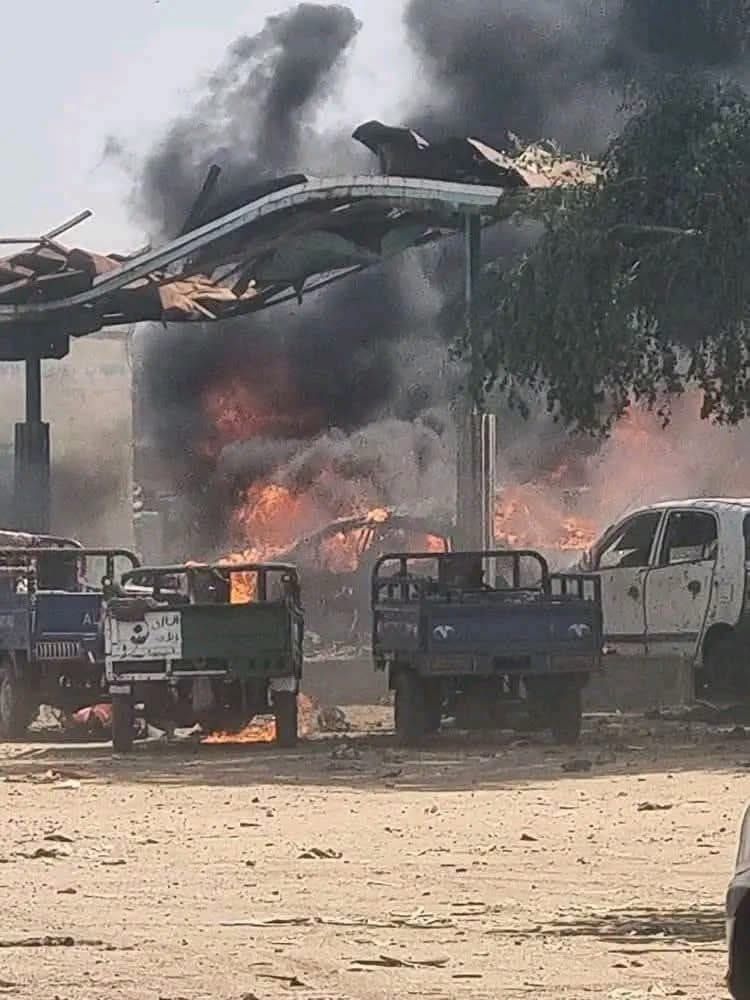
A drone strike killed eight people in Um Dibo in West Kordofan on the evening of 2 November, residents told Radio Dabanga. On 3 November a drone hit a fuel station in El Abbasiya in South Kordofan as civilian vehicles queued during a fuel shortage, killing at least seven people and injuring 36, local sources told Sudan Tribune. Across the three Kordofan states, the strikes killed at least 17 people in three days and destroyed water and fuel supplies the survivors depend on.
Neither the Sudanese Armed Forces nor the Rapid Support Forces (RSF) commented publicly on the three strikes in reports published by 5 November.
António Guterres, the UN secretary-general, said on 31 October that he was "appalled by all the attacks directed against civilians and critical infrastructure". His spokesperson, Stéphane Dujarric, said drone strikes by the parties to the conflict had killed hundreds of civilians, including women and children, across Sudan and in the disputed Abyei area, and that they constituted violations of international humanitarian law. Denise Brown, the UN's resident and humanitarian coordinator in Sudan, told UN News on 3 November: "There is no defence for repeatedly hitting power stations and fuel stations."
The Al-Kabjark water station
The bombs set fire to the Dar Bahr neighbourhood of Um Badr, in Sodari locality, Emergency Lawyers said. The raid also hit the Al-Kabjark water station at Khor Dardaq and destroyed its tanks, pumps and solar panels. Residents relied on Al-Kabjark as their second main water source, Sudan Tribune reported.
Barrel bombs are drums or cylinders packed with explosives and rolled out of the cargo hold of a transport aircraft. They have no guidance system. Emergency Lawyers said the areas hit in Um Badr had no military presence. The raid came on the second consecutive day of fighting between the army and its allies and the RSF along the border between North and West Kordofan, according to Sudan Tribune.
On 30 June, Emergency Lawyers said, an army aircraft dropped barrel bombs on Umm Dubaib and al-Zaraf, north of Um Badr, injuring dozens of civilians, among them children and herders who were near a water source. On 24 July an Antonov bombed a civilian fuel truck in Um Badr and killed dozens of people, the group said in a later statement.
El Abbasiya and Um Dibo
Several of the 36 people injured in El Abbasiya were in critical condition, Sudan Tribune reported. The town lies in an area held by the army. The outlet said the strike came as the RSF and its ally, the Sudan People's Liberation Movement-North (SPLM-N), stepped up drone strikes in eastern South Kordofan.
Witnesses told Radio Dabanga that the drone hit a station in the middle of the market in El Abbasiya Tagali, damaged several vehicles and killed at least four people. Darfur24 put the death toll above 10 on 4 November, citing local sources, and said the figures and responsibility could not be independently verified.
At about 2am local time on 4 November a drone fired four missiles at two fuel stations in Al-Rahad Abu Dakna in North Kordofan and destroyed both, local sources told Darfur24. Nobody was hurt. Darfur24's sources believed the drones at El Abbasiya and Al-Rahad belonged to the RSF.
Three people were wounded in the Um Dibo strike, in El Sunut locality, and residents gave Radio Dabanga the names of all 11 victims. None of the reports published by 5 November said who launched that drone.
Power cuts and stranded aid trucks
Drones struck two power stations in Kassala state and a substation in Merowe on 3 November, according to reports cited by the UN and compiled by Radio Dabanga. Electricity facilities in River Nile state were hit on 2 November and a substation in Red Sea state on 31 October. More than 13 electricity distribution stations in seven states have been severely damaged, Sudan Tribune reported on 1 November.
The Arab League condemned repeated attacks, which it attributed to the RSF, on energy facilities in Khartoum, El Gezira, Sennar, El Gedaref, River Nile and Red Sea states. It said deliberately targeting power stations that are not military objectives could amount to a war crime.
Brown said a strike cut electricity to a hospital just outside Khartoum that has no generator or solar panels, and dialysis stopped for all 25 patients who needed it. Hundreds of aid trucks are stranded for lack of fuel and drivers in Khartoum queue for kilometres, she said. Brown told UN News she did not know where the drones were being launched from. UN humanitarian partners said power cuts and fuel shortages had disrupted clean water supplies and pushed residents to drink from untreated sources.
Drone strikes on Ed Damazin, the capital of Blue Nile state, on 3 November killed Ilham Ali Shikan, a mother of three, and a young man, according to the Blue Nile Civil Society Initiative. The initiative blamed the RSF and the SPLM-N. In late October a drone strike on a market in RSF-controlled Darfur killed more than 100 people, a rights group said, Al Jazeera reported.
The Ethiopia complaint
Sudan's government lodged complaints with the UN Security Council and the African Union's Peace and Security Council on 1 November, accusing the RSF of launching drones from Ethiopian territory. A report by the army-led Transitional Sovereignty Council listed 70 attacks involving 187 one-way attack drones between 15 February and 27 October. It said they killed or wounded 484 civilians and killed 176 soldiers, and named Asosa airport, the Kurmuk-Gizen border area and the Bahir Dar air base as launch sites.
Ethiopia has accused Sudan's army of backing rebels linked to the Tigray People's Liberation Front, which Sudan denies. On 4 November the two governments closed each other's consulates near the border and expelled the diplomats posted there, the Europe External Programme with Africa (EEPA) reported.
Detentions in El Geneina
The RSF is holding dozens of medical and academic professionals in El Geneina, the capital of West Darfur, the Sudan Doctors Network said in a statement posted on X on 4 November and reported by Anadolu Agency. The network said the detentions raised "serious fears for their safety and humanitarian well-being". It gave no names, numbers or account of the arrests. EEPA reported that medical staff and university professors were among those held, at several sites in the city.
In December 2025 the Sudan Doctors Network said the RSF held more than 19,000 people in Dagris and Kober prisons in Nyala and at other sites in Darfur, among them more than 5,000 civilians, including 73 medical workers. At least four detainees were dying each week from medical neglect, it said. In April the network said the RSF held 20 doctors and more than 1,470 civilians in El Fasher.
UN-appointed independent investigators said on 28 October that civilians in army-held El Obeid, the capital of North Kordofan, lived in fear of RSF drone strikes and of a wave of arbitrary arrests by the army.