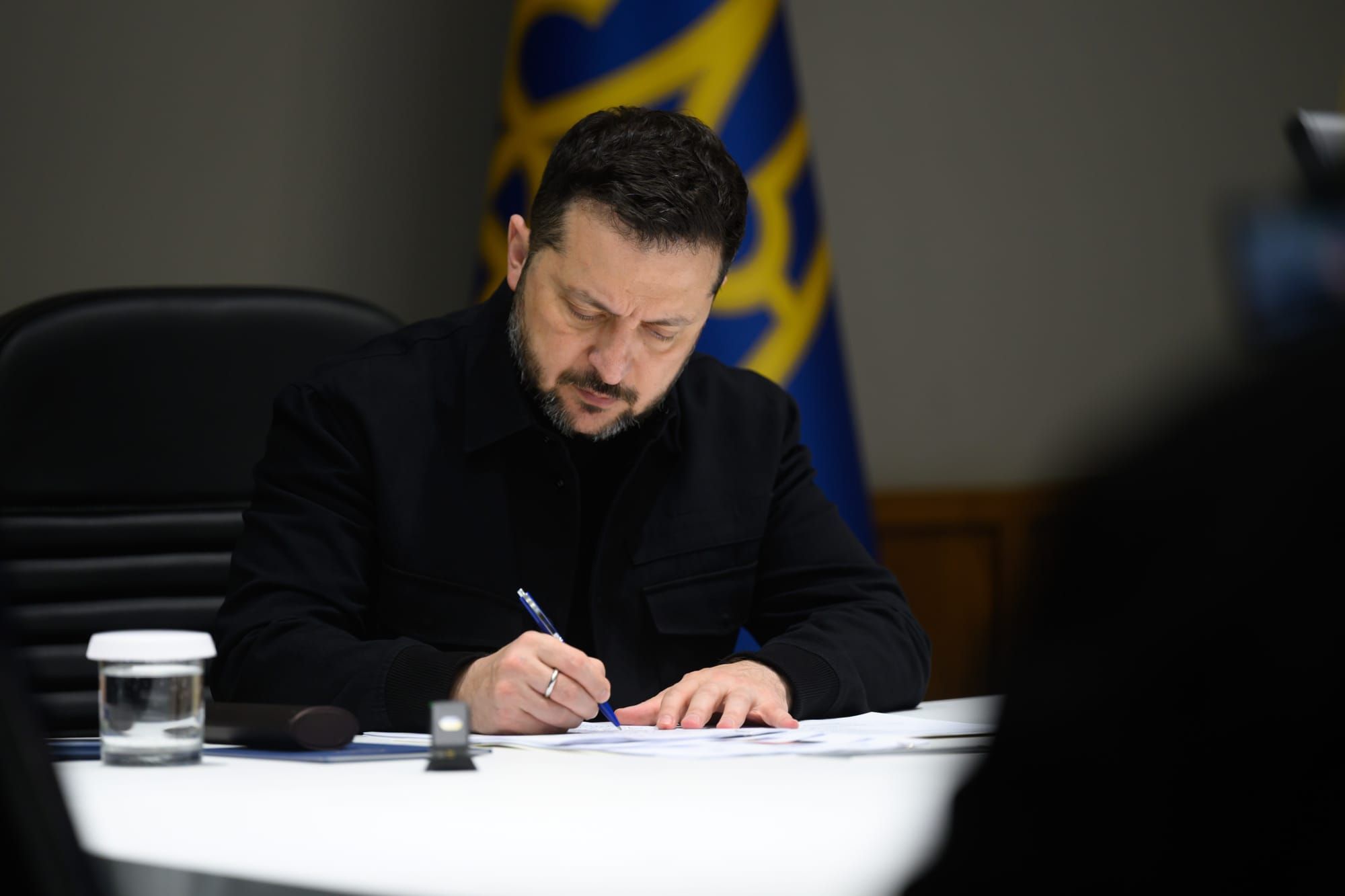
Volodymyr Zelenskyy addressed the Warsaw Security Forum by video link on Monday 12 October 2026, one day after US President Donald Trump wrote on Truth Social that Russia and Ukraine had agreed to an energy ceasefire. Zelenskyy told the forum that Ukraine accepted the arrangement, that Russian forces had already broken it and that Ukrainian forces had held fire on Russian refineries overnight. His office posted the remarks on X in three parts.
Trump's post on 11 October read: "Effective immediately, there is an ENERGY CEASEFIRE in the War between Russia and Ukraine. Both parties have agreed. Do not break it!" A senior Ukrainian official told the Kyiv Independent that Ukraine had received no information about the agreement before the post. Zelenskyy told Axios the same day that if Trump had negotiated the truce with Putin, Ukraine was ready and would accept it. Dmitry Peskov, press secretary to Putin, declined on 12 October to say whether Russia had agreed and said only that contacts were ongoing.
Zelenskyy told the forum: "It is clear that Putin does not read Truth Social, and his 'shahed' drones follow a different set of instructions." He said Ukraine had supported an energy ceasefire "more than once for months" and had put the idea forward itself.
Ukrainian officials have proposed a halt to energy strikes repeatedly. On 13 September 2026 Zelenskyy said he would raise a pause on energy and Black Sea strikes with Trump in New York, and he pressed the idea again when the two met on the sidelines of the UN General Assembly. On 9 October he told reporters that Ukraine would stop striking Russian refineries if Russian forces stopped attacking Ukrainian energy infrastructure. In March 2025 Trump and Putin agreed a 30-day pause on energy strikes after a phone call; Russian drones hit Ukrainian energy sites within hours of that agreement.
Trump wrote on 14 September, four weeks before his 11 October post, that Ukraine had agreed not to hit Russian energy targets and that Russia would do likewise. Neither government confirmed that arrangement and strikes on both sides continued.
Oil, diesel and electricity
Zelenskyy said Ukraine has no large oil reserves or export capacity, has a single oil refinery that Russian strikes badly damaged long ago and imports large volumes of diesel and other oil products. Ukrainska Pravda reported in April 2022 that the Kremenchuk refinery, run by Ukrtatnafta, was the largest and only refinery in Ukraine. Poltava regional governor Dmytro Lunin said on 2 April 2022 that Russian shelling had destroyed its infrastructure and stopped production. The Kyiv Post reported that the plant effectively ceased operating after further strikes in June 2025. Energy Minister Denys Shmyhal told the Verkhovna Rada that Russian forces had fired 69 missiles and around 260 drones at the refinery since their campaign against Ukraine's energy system began.
Zelenskyy thanked Ukraine's neighbours, Poland in particular, for helping meet the country's energy needs. S&P Global reported in April 2022 that Ukraine had become largely dependent on fuel trucked in from Poland after Russian strikes destroyed depots and knocked Kremenchuk out of service.
Zelenskyy said electricity is the key issue for Ukraine, that Russia began its campaign against Ukrainian power generation and the grid years ago and that Ukrainians have power cuts every day this winter. On 11 October he said Russian forces had carried out more than 200 strikes on electricity generation and transmission facilities in the preceding week, along with 17 strikes on gas and oil facilities, and that Russian attacks over that period had killed more than 150 people and wounded more than 700. Kyiv Independent journalists reported hearing explosions across Kyiv throughout 11 October as Russian forces struck the city's energy infrastructure.
Refineries, diesel and the Strait of Hormuz
Zelenskyy said petrol shortages and burning refineries hurt Russia, and that if Russian leaders want Ukraine to stop its long-range strikes on refineries and oil exports, Russia must stop striking Ukraine's energy system and critical infrastructure. "This is only fair," he said. The Russian government on 30 September extended a ban on diesel exports by fuel producers through 31 October. Censor.NET reported that restrictions on petrol exports had been extended to the end of 2026. US Treasury Secretary Scott Bessent has named Ukraine's refinery strikes as one cause of the global energy shock.
Zelenskyy said the volumes lost to Ukrainian strikes are smaller than the volumes that could be lost because of the crisis in the Strait of Hormuz. Trump has blamed rising diesel prices on the war in Ukraine; on 14 September he wrote that the rise was mostly caused by the Russia-Ukraine war and not by Iran. Experts cited by LBC pointed instead to the US war with Iran, a major oil exporter. Trump himself credited US control of the Strait of Hormuz with bringing diesel prices down.
Trump said on 10 October that Zelenskyy should stop hitting Russian refineries and that Ukraine should get a new president. The Financial Times reported that US officials had threatened to halt weapons procurement for Ukraine over the strikes.
Trump said on 9 October that Russia would supply over 300,000 tons of diesel immediately, another 500,000 tons in November and 1,000,000 tons after that. The US Treasury's Office of Foreign Assets Control issued a temporary general licence allowing Russian diesel onto global markets. Democratic senators Jeanne Shaheen, Chuck Schumer and Elizabeth Warren called the six-month authorisation a betrayal of Ukraine. Vladyslav Vlasiuk, Ukraine's sanctions envoy, wrote that 300,000 tons would cover about 15 hours of US diesel demand. Zelenskyy said the deal would give Russia more money to fight the war.
The overnight strikes
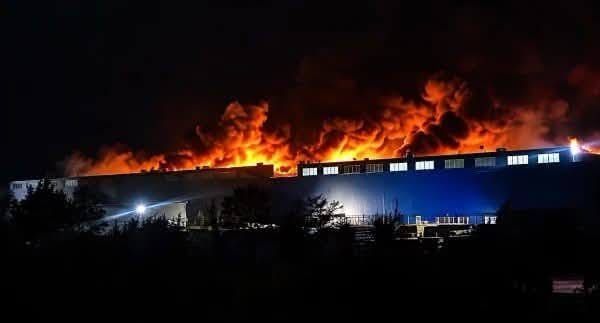
Zelenskyy told the forum that Ukraine's offer was "honest and clear" and that Ukraine would respect an energy ceasefire if Russia did the same. He said Russian refineries were not burning on the night of 11 to 12 October and that at midnight a Russian jet-powered Shahed struck a gas production facility in Ukraine. Naftogaz said a gas production facility in Kharkiv region was hit overnight, damaging core equipment and starting a fire, according to SBS News. A source close to Zelenskyy told CNN that Ukrainian forces were not attacking Russian refineries while they waited for detail from US officials.
Zelenskyy said several Russian drones also struck an ordinary petrol station and that repair crews were still working on damage from attacks the previous day. Russian forces struck Kharkiv's CHP-5 combined heat and power plant on 11 October. Ukraine's Presidential Office confirmed that the strike came after Trump's post.
Zelenskyy said jet-powered Shahed drones kept entering the skies over Kyiv and other Ukrainian cities throughout the morning of 12 October. On 11 October he had said Russian forces launched around 1,450 aerial bombs, 75 missiles and over 1,640 attack drones in a single week, around 60 per cent of them jet-powered.
Zelenskyy said Russian attacks were Putin's answer to Trump so far and that Ukraine was waiting for details of the conversation between US and Russian officials and for the specific steps US officials were ready to take. The Kyiv Independent reported on 9 October, citing US and Ukrainian officials, that Russian negotiators were seeking sanctions relief and a link to Black Sea arrangements in exchange for an energy truce. EU foreign policy chief Kaja Kallas said on 12 October she saw no sign that Russian leaders would respect a pause, according to the Associated Press. Zelenskyy said Ukraine would respond if Russia did not agree to an energy ceasefire this winter.
Yandex and the bots
Ukrainian drones struck a Yandex data centre in Sasovo, Ryazan region, overnight on 8 October 2026. Yandex said the site shut down completely. Meduza reported disruptions to services run by Avito, MegaFon, Russian Railways and T-Bank. On 9 October Ukrainian drones partly disabled a second Yandex data centre in Kaluga region. Ukrainian manufacturer Firepoint said its FP-1 drones carried out the Kaluga strike.
Russian forces had struck data centres belonging to at least eight Ukrainian companies since late September, according to Meduza. The Russian Defence Ministry said those strikes amounted to a forced digital detox. Zelenskyy has called the Yandex strikes a response in kind.
Zelenskyy told the forum that when Ukrainian strikes reached Yandex's data centres, many people noticed less hate, less division and fewer provocations on social media platforms because there were fewer bots. He said the drop showed where the bots were coming from and that Europe is not the source of the problems.
Zelenskyy said people in the United States need to see what is happening in Ukraine each morning, when the day in Europe is already moving towards evening.