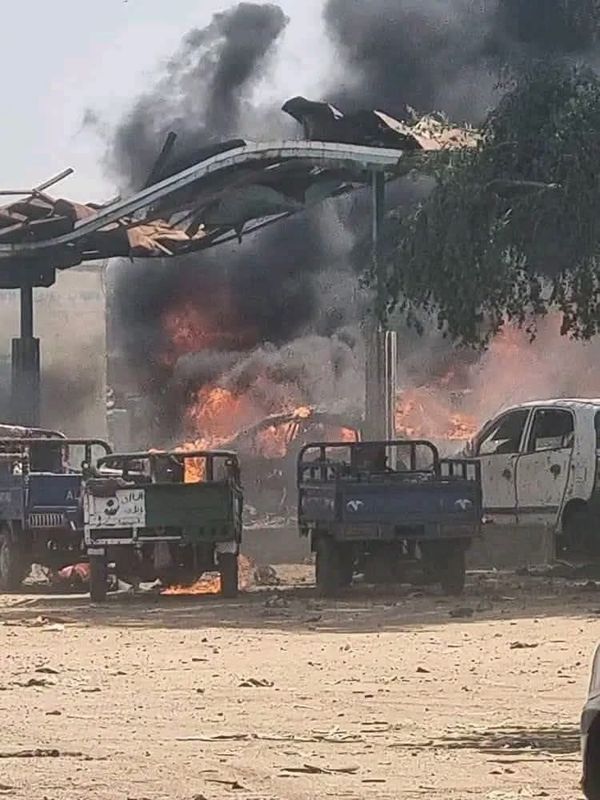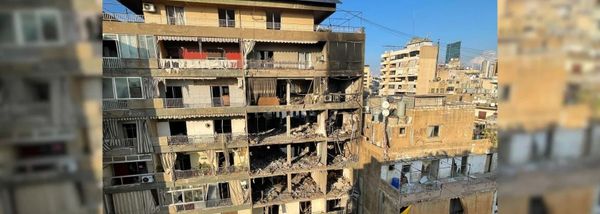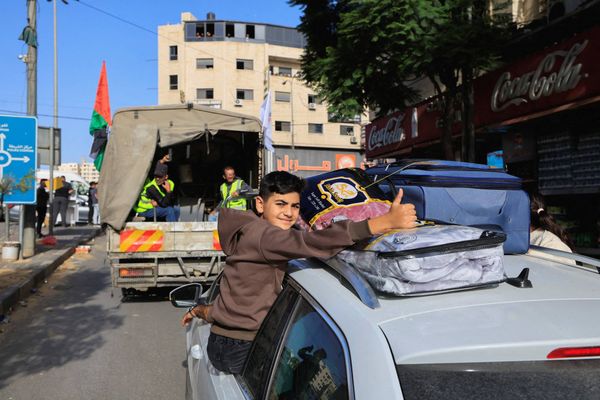
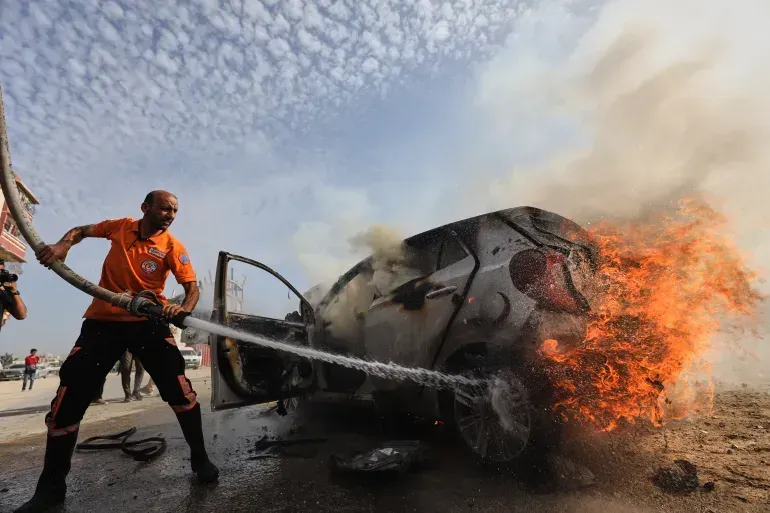
Israeli fire killed at least three more people in Gaza on 5 November, among them a child in Bureij camp, a day after the health ministry put the post-ceasefire toll at 1,602.
Gaza's Ministry of Health recorded 1,602 people killed and 5,794 wounded between 11 October 2025 and 4 November 2026. It had counted 1,488 deaths at the truce's first anniversary, so 114 people were killed in about three and a half weeks since, close to five a day against an average of about four a day across the first year.
The ministry's toll for the whole war stood at 74,618 killed and 175,920 wounded, and its figures do not distinguish fighters from civilians. Rescue crews have recovered 847 bodies from areas Israeli forces left during the truce, the ministry said. The UN treats the ministry's figures as reliable, and a senior Israeli military official told reporters at a briefing that the military considered the ministry's overall war toll largely accurate.
Gaza's Government Media Office said on 2 November that it had logged 5,989 Israeli violations of the truce, 753 of them in October, including 64 home demolitions. Israeli forces hold about two-thirds of the territory and have ordered residents out of it, and nearly all of Gaza's more than 2 million people live in the remaining third, mostly in tents and damaged buildings. Israel says Hamas has been rearming and launching attacks in breach of the ceasefire, and that four Israeli soldiers have been killed since it took effect. Hamas denies trying to carry out attacks or rebuild its arsenal and accuses Israel of undermining the agreement.
Strikes on police in al-Mawasi
An Israeli strike killed five police officers in al-Mawasi, west of Khan Younis, on 1 November, Gaza's interior ministry said. The Israeli military said it had struck "several militants" in Khan Younis and gave no further information. A separate Israeli strike in Gaza City killed three people the same day, according to medics, and the military did not immediately comment on it.
Youssef Abu Younis died on 2 November of wounds from the Israeli attack on the police post in al-Mawasi. Mohammed Shalouf, a member of Hamas's internal security service, was killed in another Israeli airstrike in al-Mawasi on 3 November, the interior ministry said.
An Israeli drone strike on 28 October killed five people at a Ministry of Economy facility in al-Mawasi, Rafah, where staff and security personnel had gathered. Wajdi Abu Bakr, an agriculture ministry official, died of his injuries on 1 November.
Strikes on 2 and 5 November
Israeli gunfire and an air strike killed two people in southern Khan Younis on 2 November, and an Israeli drone strike killed one person in al-Musaddar village in central Gaza, medical sources said. Hani Hamed Kahil was killed when an Israeli strike hit a vehicle in Tal al-Hawa in Gaza City, and five other people were wounded. The Israeli military said it had targeted fighters in three strikes, without giving details. Israeli fire hit a minibus belonging to a community kitchen in Zeitoun the same day and wounded three people.
Abdul Rahim Walid Matar, 27, was killed at dawn on 5 November when an Israeli drone fired two missiles at a tent sheltering displaced people west of az-Zawayda, according to Al-Aqsa Martyrs Hospital in Deir el-Balah.
Israeli fire killed a woman outside the zone under Israeli military control in Khan Younis, Nasser Medical Complex said. A child was killed in eastern Bureij when Israeli forces fired directly on homes and tents, Ashraf Amra, an Al Jazeera correspondent in Deir el-Balah, said. He said Israeli forces were bulldozing homes and farmland on the eastern edges of al-Musaddar and Deir el-Balah and taking more land behind the boundary of the area they hold, known as the yellow line.
The UN Office for the Coordination of Humanitarian Affairs said on 26 October that new yellow blocks marking the line had been observed in Shujaiya and parts of Deir el-Balah. Families living along the line continued to report arson attacks, the office said.
The genocide finding and the Hague cases
The UN Independent International Commission of Inquiry on the Occupied Palestinian Territory concluded on 16 September 2025 that Israel has committed genocide in Gaza. It found that Israeli authorities and forces had carried out four of the five acts defined in the 1948 Genocide Convention and that Prime Minister Benjamin Netanyahu and other senior officials had incited them. Daniel Meron, Israel's ambassador in Geneva, called the report a "libellous rant".
The International Criminal Court issued arrest warrants on 21 November 2024 for Netanyahu and Yoav Gallant, his former defence minister, for alleged war crimes and crimes against humanity in Gaza, and its judges have rejected Israeli requests to withdraw them. South Africa's genocide case against Israel, filed in December 2023, is before the International Court of Justice, which has set deadlines for written pleadings running to May 2029.
Tents, fuel and 26 closed hospitals
Two infant girls died of burns in a tent fire in al-Mawasi on 30 October. Gaza's Ministry of Social Development said about 200,000 tents were needed and that only dozens had arrived because of Israeli restrictions on what enters the territory. The International Organization for Migration said on 9 October that nearly 2 million people required shelter assistance and that half of Gaza's tents and makeshift shelters needed replacing.
The Palestinian Red Crescent Society said on 2 November that the health system was at risk of collapse, with 26 hospitals out of service and fuel shortages threatening the rest. Nickolay Mladenov, high representative of the U.S.-established Board of Peace, arrived in Israel on 2 November to seek permission to bring in tents and to press for faster reconstruction.