Russian and Ukrainian forces began a local ceasefire around Russian-occupied Oleshky on 27 October 2026 to prepare food deliveries, medical assistance and the evacuation of civilians trapped by months of fighting.
The agreement followed negotiations involving Ukraine’s human rights commissioner Dmytro Lubinets, his Russian counterpart Yana Lantratova and Melania Trump’s team. Pope Leo XIV had separately asked both presidents to allow aid into the town and residents to leave safely.
The pause began at 03:00 Ukrainian time. The humanitarian mission was scheduled for 29 October, but officials had not published the guarantees governing civilian passage or explained how residents travelling through Russian-controlled territory would reach their chosen destinations.
The people still in Oleshky
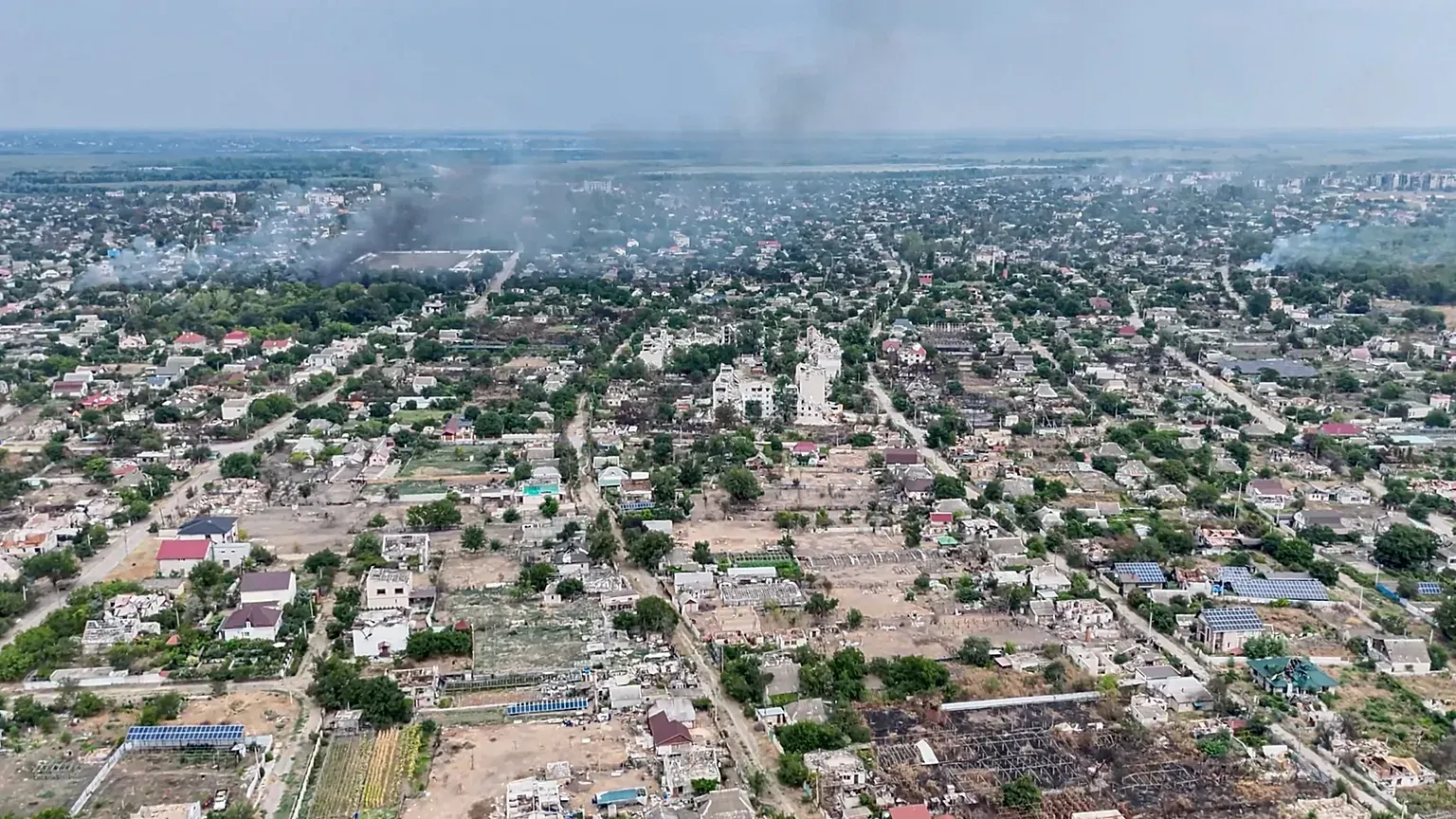
Oleshky stands across the Dnipro from Kherson, on the river’s Russian-occupied eastern side. Russian forces seized the town at the beginning of the full-scale invasion in February 2022. Flooding after the destruction of the Kakhovka dam in June 2023 compounded the damage from fighting.
About 24,000 people lived there before the invasion. The White House’s October statement estimated that 1,700 to 2,000 remained, mostly older residents, with about 50 children. It acknowledged that no formal population count had taken place since 2022. Residents interviewed by Human Rights Watch described food deliveries that had become rare and unpredictable, shortages of fuel and medical care, and homes without electricity or gas. Some used wood-burning stoves or solar panels to keep essential equipment working.
The organisation’s July report described older people unable to obtain supplies when crowds gathered around the few deliveries that arrived. Others could not leave because they were ill, had disabilities or could not manage the journey.
The UN Human Rights Monitoring Mission in Ukraine had reported in June that the town’s last grocery shop stopped regular operations in January. By 24 June, no food deliveries had arrived since 26 May. Four injured patients in Oleshky’s hospital needed transfer to Skadovsk but could not be evacuated. Another patient died while waiting for transfer, the UN mission said.
Some supplies reached the town later. In an Associated Press report published on 17 October, a Ukrainian officer said his brigade had delivered more than seven tonnes by drone since September. Russian-installed local officials told the agency they had delivered two tonnes that month but acknowledged it was insufficient.
The pope’s calls
Leo spoke to Russian President Vladimir Putin on 16 October. The Vatican said he requested a ceasefire to allow food and medical assistance into Oleshky and the voluntary, safe evacuation of civilians.
Cardinal Pietro Parolin, the Vatican’s secretary of state, said the pope had initiated the appeal on behalf of the town. About 2,000 civilians needed humanitarian routes, he said, expressing hope that Putin would accept the request. Three days later, Leo called Ukrainian President Volodymyr Zelenskyy. According to the Holy See Press Office, he referred to his earlier request to Putin and sought cooperation on aid deliveries and evacuation.
The calls followed weeks of appeals over conditions in Oleshky. Lubinets’s office said Ukrainian religious leaders had approached Leo and other religious and international bodies on 19 September, asking them to help prevent further civilian suffering and secure evacuation.
On 2 October, European humanitarian commissioner Hadja Lahbib said civilians were trapped under siege by Russian forces without adequate food, medicine, clean water or basic care. Humanitarian partners were ready to deliver supplies but needed safe, sustained access, she said.
The evacuation negotiations
By 7 October, Lubinets’s office had received 204 appeals concerning Oleshky and neighbouring communities. It had verified 358 people who needed assistance leaving, using those appeals and an online questionnaire.
The following day, his secretariat told Ukrinform that negotiations with Russia had produced no practical breakthrough allowing an organised evacuation. Ukraine had offered a local ceasefire, a safe route and arrangements to receive residents in government-controlled territory.
The secretariat said Russia had not provided clear, verifiable security guarantees that could be carried out in practice. It said the International Committee of the Red Cross was willing to act as a neutral intermediary once the parties agreed the necessary arrangements and guarantees.
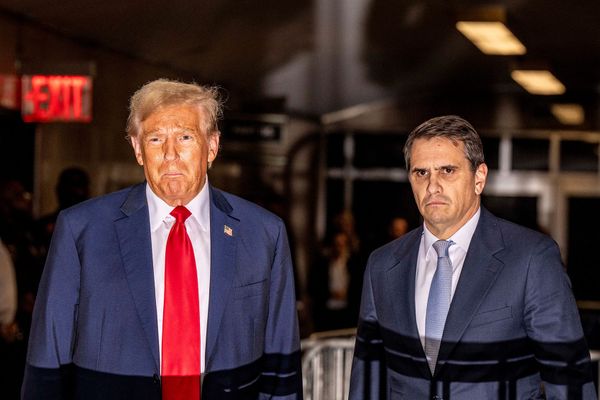
On 23 October, Lubinets confirmed an agreement with three stages: a ceasefire, delivery of humanitarian cargo and free movement for civilians leaving Oleshky. He said he had led Ukraine’s negotiating team, with Lantratova representing Russia. Lubinets thanked Melania Trump and her team for coordinating between the negotiators. He said the operation would proceed gradually and would be difficult to carry out.
The White House’s statement that day credited the U.S. first lady with securing the ceasefire and described her as its exclusive intermediary. It did not mention the pope’s calls to Putin and Zelenskyy. According to the statement, her team used a channel developed through earlier child reunifications after she learned about Oleshky during an event at the UN General Assembly in September.
Her adviser Marc Beckman told Ukrinform that Ukrainian leaders had authorised her to mediate more than a month earlier, followed by similar written authorisation from Putin. The report did not include those documents.
The military pause
The White House announcement gave 29 October as the ceasefire’s start date. Russian and Ukrainian military announcements issued on 23 October gave 27 October for the cessation of fire, ahead of the humanitarian mission.
Russia’s chief of the General Staff, Valery Gerasimov, said Russian forces would halt fire from 04:00 Moscow time. Ukraine’s General Staff gave 03:00 Ukrainian time, the same moment following Ukraine’s seasonal clock change.
In a statement on 26 October, Ukraine’s armed forces said the pause applied to a designated area solely to deliver aid and prepare for civilians to leave. The military asked people not to spread unverified information about routes, convoy schedules or civilian movements.
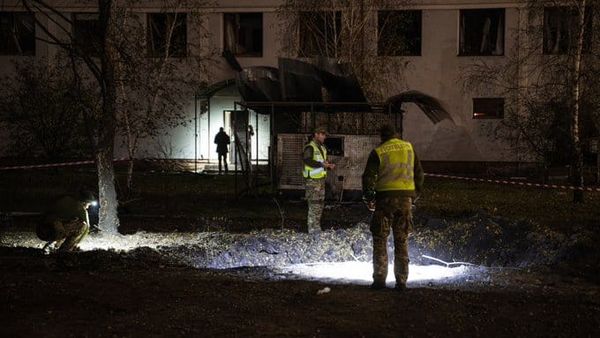
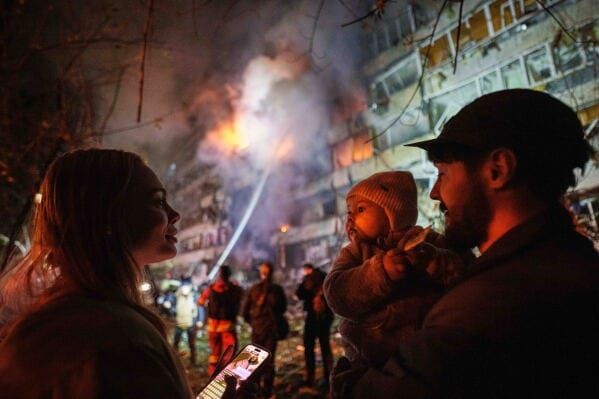
Russian and Ukrainian officials confirmed the pause had begun on 27 October. Vladimir Saldo, the Russian-installed head of occupied Kherson region, said it was being observed, according to Vedomosti. Elsewhere, the war continued. Russian ballistic missile began raining down on Kyiv minutes after the local ceasefire began, with air alerts in several parts of Ukraine.
Interfax-Ukraine reported that the ceasefire would run until 22:59 Ukrainian time on 1 November. Beckman gave a longer estimate for completing the mission, telling Ukrinform it could take five to seven days after 29 October. He said an extension was possible if both sides agreed.
The roads out
Before the agreement, civilians leaving Oleshky faced mines, drone attacks and Russian military checkpoints. Human Rights Watch said passage through checkpoints depended on Russian soldiers’ discretion.
Its investigators found credible indications that Ukrainian forces may have used drones and mines on roads around Oleshky, but could not determine responsibility for specific attacks or particular mines. The organisation also described sustained Ukrainian attacks on the town.
The UN mission likewise could not conclusively attribute individual attacks. By 25 June, it had recorded reports of at least 29 civilians killed and 54 injured in Oleshky and Hola Prystan during 2026. Many of those casualties had been verified, but the total included cases still awaiting confirmation. The OSCE’s human rights office reported in July that it had received accounts of Russian forces preventing people from leaving Oleshky and using civilians to shield military positions.
Human Rights Watch also described the risks facing men seeking Russian documents, which could expose them to conscription into Russian forces. Compelling occupied civilians to serve in the occupying power’s armed forces violates international humanitarian law.
The evacuation route
Evacuees would first be taken to Crimea or Russia before they could return to Ukrainian-controlled territory, according to Financial Times reporting summarised by Interfax-Ukraine on 27 October. The account cited unnamed people familiar with the negotiations.
Beckman told Ukrinform that Russia had assured Ukraine and the U.S. it would respect residents’ wishes about where to go. He described options including Ukrainian-controlled territory, Russia or remaining in Oleshky. Civilian teams would assess residents’ needs and assist with evacuation, he said. He declined to disclose Russia’s guarantees or the procedures for responding to violations, saying Ukrainian and Russian leaders had asked that those details remain confidential.
The White House statement promised transport to residents’ preferred destinations. It did not explain how onward travel from Crimea or Russia would be secured or how a resident could challenge a refusal to let them proceed.
Beckman also told Ukrinform that Newsmax journalists would accompany the operation and record testimony. He described them as neutral U.S. observers whose presence would provide an additional safeguard. The report did not specify whether they would be able to interview residents privately or follow them to their final destinations.
The obligations under occupation
Russia’s responsibility to provide food and medical supplies to occupied civilians predates the ceasefire. Article 55 of the Fourth Geneva Convention requires an occupying power to ensure those supplies to the fullest extent of its available means, bringing them in when local resources are inadequate.
Article 49 prohibits forcible transfers and deportations from occupied territory. It permits evacuations required for civilian security or imperative military reasons under specific conditions, restricting displacement outside occupied territory and requiring return when hostilities in the area have ceased. The convention also requires adequate arrangements for accommodation, health, safety and nutrition during such evacuations, with families kept together.
The guarantees described by Beckman remain unpublished. Neither his account nor the White House statement sets out how residents’ choices will be recorded, who will check their arrival or what happens if Russian authorities prevent onward travel to Ukrainian-controlled territory.