Ghana midfielder Thomas Partey and Morocco captain Achraf Hakimi are facing criminal trials for rape while playing at the 2026 World Cup, two of at least nine tournament figures tied to sexual violence and allegations spanning four confederations.
FIFA has kept every accused player eligible throughout the tournament and removed only one figure from its 2026 rosters, a match official arrested in Britain. The cases run from active prosecutions to allegations that prosecutors declined to pursue, and in several, the complainant is an employee or a much younger person than the man she accuses.
Players on trial
Thomas Partey
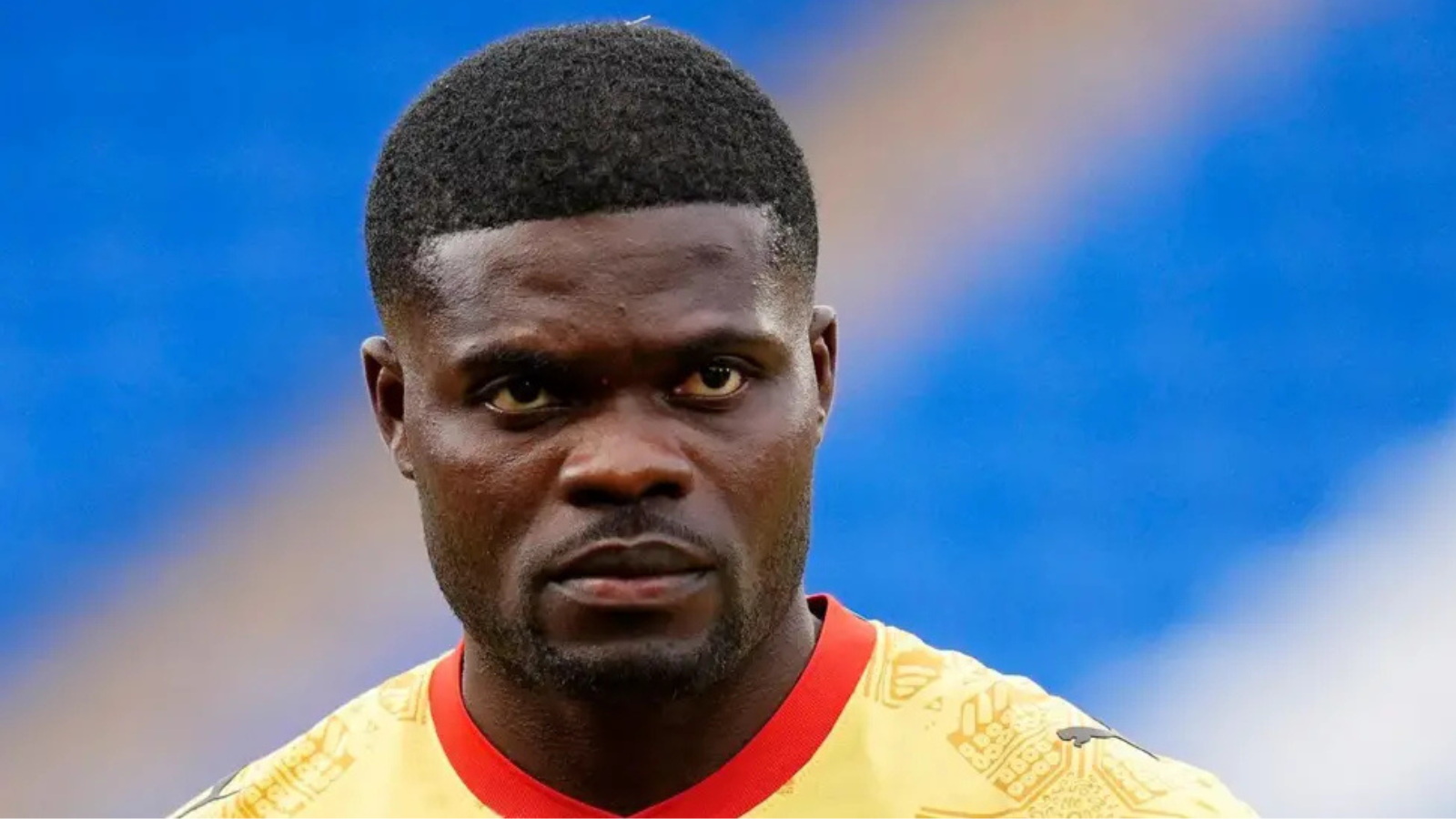
The case began in February 2022, when the Metropolitan Police received a report of rape. At the time Thomas Partey was a first-team midfielder at Arsenal, one of the highest-paid players in the Premier League, and he was not publicly named for the next three years. British reporting restrictions meant that as detectives investigated and more complainants came forward, the public knew only that an unnamed Premier League footballer had been arrested and bailed repeatedly. Partey continued to play throughout, for Arsenal and for Ghana, while the file grew.
On July 4, 2025, the Crown Prosecution Service authorised charges, and Partey could finally be named. The initial charge was five counts of rape and one count of sexual assault, involving three women, with the alleged offences dated between 2021 and 2022. In February 2026 the CPS added two further counts of rape, tied to an alleged incident dating to December 2020 and a fourth complainant. The running total is now seven counts of rape and one count of sexual assault, across four women, spanning 2020 to 2022.
All four complainants have lifelong legal anonymity, the charging documents are sealed, and the CPS issued an unusually direct warning against any reporting that could prejudice the trial: "We remind everyone that criminal proceedings are active, and the defendant has the right to a fair trial," adding that "it is absolutely vital that there is no reporting, commentary or sharing of information online which could in any way prejudice these proceedings." Four separate women, alleged offences across a roughly two-year window, and rape charges attached to three of the four complainants. Any account circulating with named accusers or graphic specifics should be treated as unreliable.
Partey has pleaded not guilty to every count. At Southwark Crown Court he spoke only to confirm his name, date of birth, and his pleas. His lawyer said he "welcomes the opportunity to finally clear his name." He remains on bail throughout, under a condition that he not contact the alleged victims. Originally listed for November 2026, the trial has been pushed to June 8, 2027 at Southwark Crown Court, before Mr Justice Bennathan, with an expected length of up to eight weeks and a further hearing scheduled for October 2026.
Partey's Arsenal contract ended on June 30, 2025, days before the charges were announced; Arsenal said only that "due to ongoing legal proceedings, the club is unable to comment on the case." He later signed with Villarreal in Spain. He was selected for Ghana's 2026 World Cup squad and played. Canada denied him entry during the group stage, so he featured only in Ghana's matches staged in the United States.
Achraf Hakimi
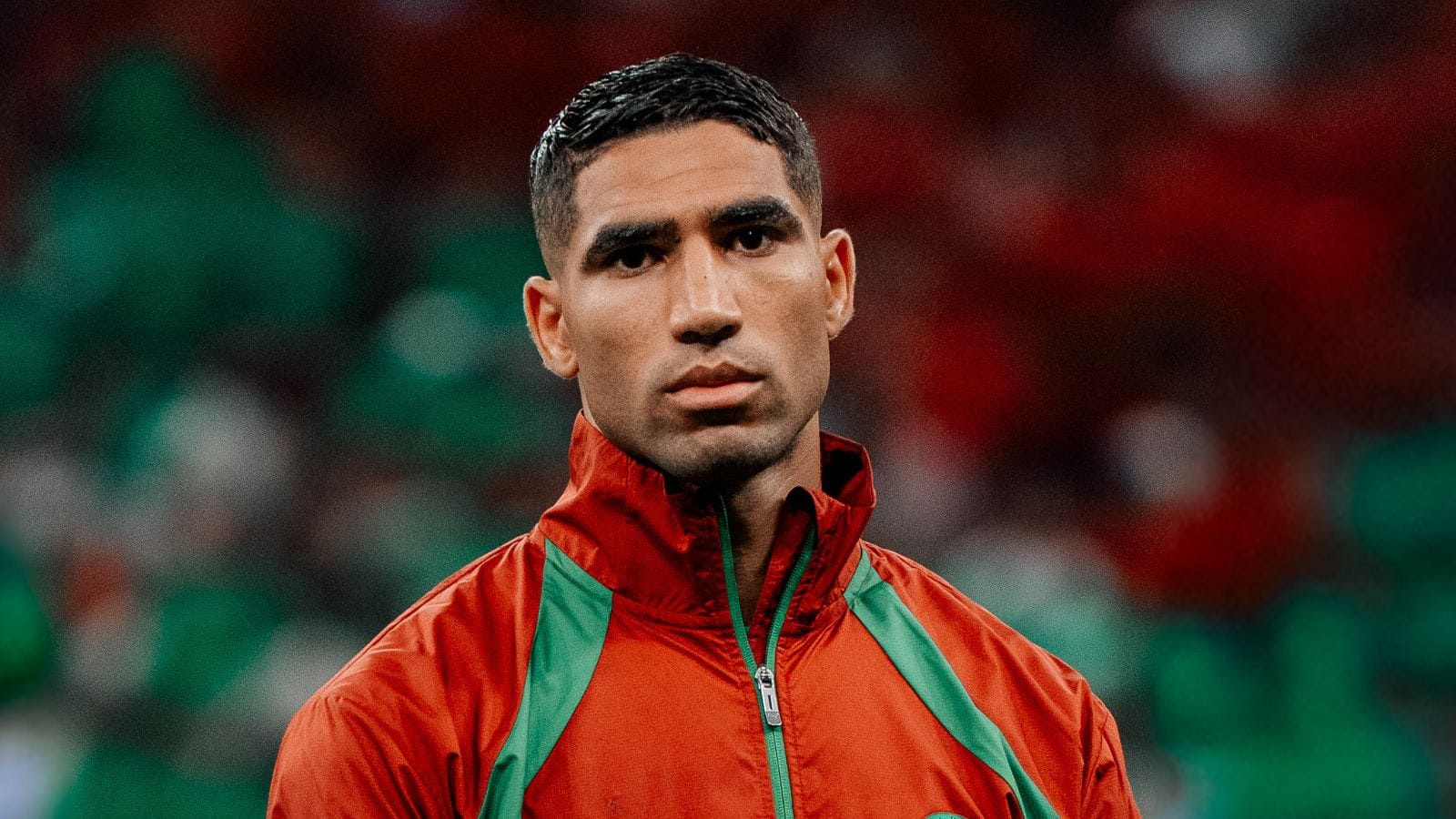
In late February 2023, a 24-year-old woman told French investigators she had been raped by Paris Saint-Germain and Morocco defender Achraf Hakimi at his home in Boulogne-Billancourt, a western suburb of Paris. It is the most fully documented complainant account in this entire group, because the French investigation has run for three years and much of the file has been reported in the French press.
She said she and Hakimi first connected on Instagram before meeting in person. On the night in question, she said, he arranged transport that brought her to his house. There, she alleges, the encounter turned sexual against her wishes: that he "became too forceful, touched her despite her refusal, and forced a sexual act." Her account is notable for its candour about ambiguity. She told investigators she did not clearly say no at every moment or openly show her discomfort, but said she felt unable to leave or to stop what was happening, a description that goes directly to how consent is contested in these cases.
Two days after the alleged incident she went to a Paris-area police station, not to file a formal complaint but to document what happened, saying, in substance, that she did not want "this to happen to other girls." She initially declined a medical examination and did not intend to pursue it legally. Under French practice, prosecutors opened proceedings anyway, without her formal complaint. A court-appointed psychologist, Anne Parachout, assessed her in September 2023 and described her account as "sincere and authentic," with no "real tendency toward fabrication," while cautioning the assessment could not establish whether the allegation was factually true.
Hakimi denies wrongdoing. His lawyer, Fanny Colin, said the material in the file "would, in any other case, have led to the dismissal." The defence leans heavily on messages investigators recovered between the complainant and a friend, in which the friend allegedly wrote about approaching Hakimi in "mode femme fatale," referenced obtaining access codes, and in one exchange wrote "we're going to strip him." Hakimi's camp casts this as evidence of a setup and premeditation; the complainant's side says private messages between friends prove nothing about what happened in the house. Hakimi has framed the whole prosecution around his fame, writing on X that justice had effectively told him that if he were not famous "there would never have been a case," and calling himself "an easy target."
Hakimi's friend and former PSG teammate Kylian Mbappé gave a witness statement to French investigators in April 2023, reported by L'Équipe, vouching for his character: "He respects women. Even drunk, I've never seen him act inappropriately." Mbappé also relayed that Hakimi had told him there was mutual touching that night but that "he felt no refusal" and that the two ultimately "did not sleep together." That statement was resubmitted and re-examined when the appeals court weighed the case in May 2026, making one of the world's most famous footballers a central character witness in a rape prosecution.
But Mbappé's testimony has itself become contested, because his account and its own later revision sit awkwardly against what Hakimi told investigators. Hakimi's position throughout has been that the encounter was consensual; he admits mutual kissing and touching but denies any penetration. In his April 2023 statement, according to the investigating judge's order relayed by French media, Mbappé appeared to corroborate a consensual sexual encounter, telling investigators Hakimi had said he kissed the woman and touched her "intimate parts" (in French, parties intimes), without sensing any refusal. Then, in a fresh certificate submitted to the court around the May 2026 appeal hearing, Mbappé walked the wording back, arguing that when he said "intimate parts" he had not necessarily meant her sexual organs, softening the sexual meaning his original words carried. The complainant's lawyer, Rachel-Flore Pardo, seized on the reversal, saying she doubted a person could use the phrase "intimate parts" without a sexual connotation. The upshot is a star witness whose account of whether Hakimi described sexual contact shifted between his first statement and his second, even as Hakimi's own position, that there was consensual contact but no rape, stayed the same.
An investigating judge ruled in February 2026 that Hakimi should stand trial. The Versailles appeals court confirmed that order on June 19, 2026, finding "sufficient evidence against the player to stand trial." Hakimi is appealing; no trial date is set. His accuser's lawyer, Rachel-Flore Pardo, is one of the only complainant representatives quoted across all these cases, and she said the ruling brought her client "a sense of relief and hope" after proceedings in which the woman had been "dragged through the mud."
Hakimi captained Morocco through the 2026 knockout rounds, including a match against France. Coach Mohamed Ouahbi said the team was "behind him," calling him "very relaxed."
The player under investigation
Ryan Mendes
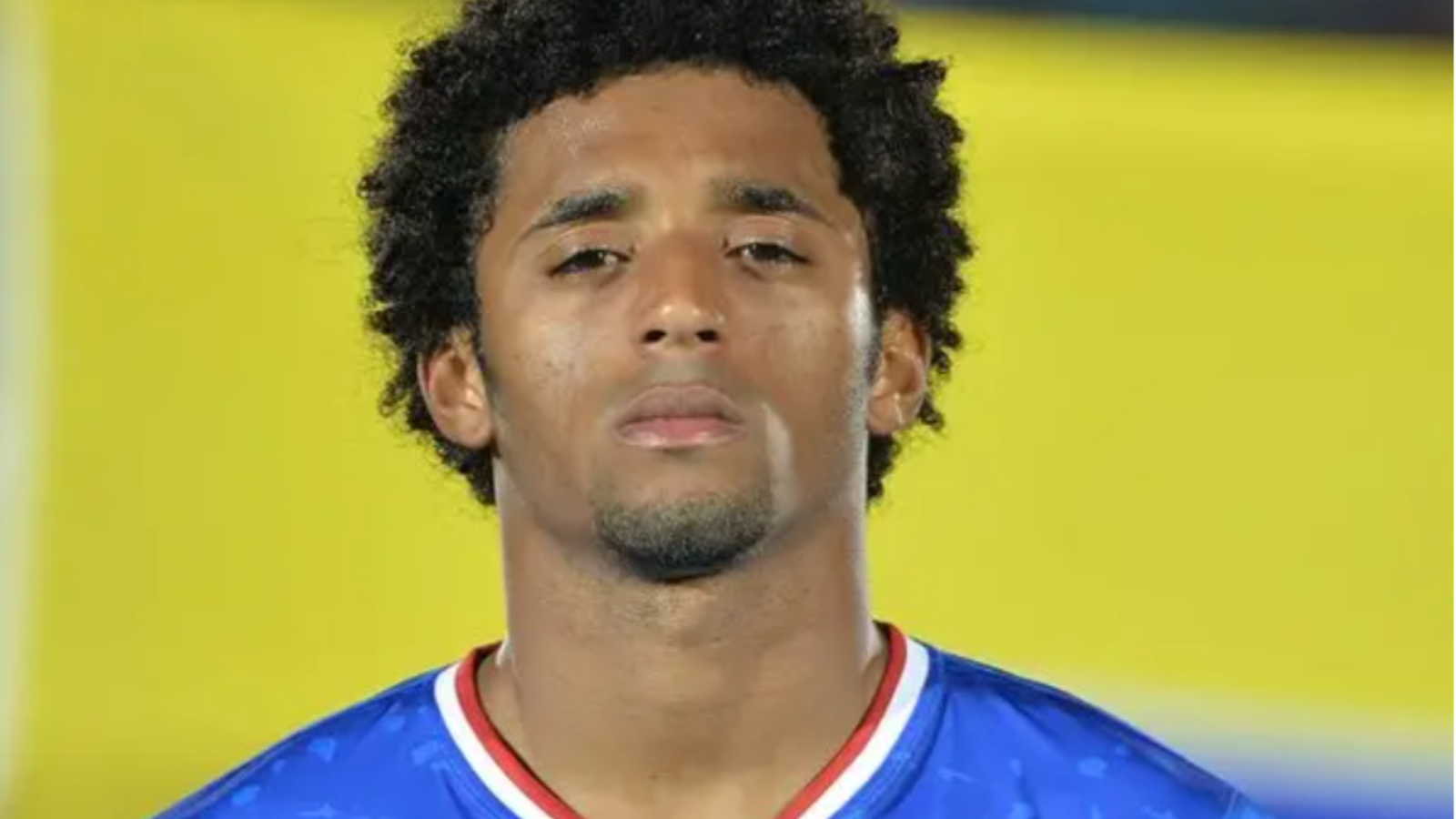
Ryan Mendes is the 36-year-old captain of Cape Verde, whose qualification for the 2026 World Cup was one of the tournament's great underdog stories. In late March 2026, before the tournament, Cape Verde played a FIFA Series friendly in Auckland, New Zealand, and lost 4-2 to Chile on March 27. The allegation dates to that trip.
A Brazilian woman working for the Cape Verde delegation, as an interpreter and operational support worker, alleges Mendes raped her at the team hotel in Auckland on March 27. The dynamic is what sets this case apart from the others: the man she accuses is her own team captain, and the alleged assault involves a subordinate on the delegation's own staff, someone whose accreditation, employment, and access ran through the very organisation the accused leads on the field. She filed a formal complaint with New Zealand police on April 10, roughly two weeks after the alleged incident.
According to reporting on the case, New Zealand police collected hotel surveillance footage and are awaiting forensic results before deciding whether to bring charges. Mendes has not been charged or arrested and has made no public statement. His detailed account, and hers beyond the fact of the complaint, are not public.
The response from football's institutions has been conspicuous. The Cape Verdean Football Federation declined to comment when first approached and announced no disciplinary action. Tournament officials cut off reporters who raised the case at a match press conference. FIFA said only that it "takes any allegation of misconduct extremely seriously." Mendes remained eligible to play and captained Cape Verde during their historic 2026 FIFA World Cup campaign, appearing in all four of their matches.
Cases closed without conviction
Kaishu Sano
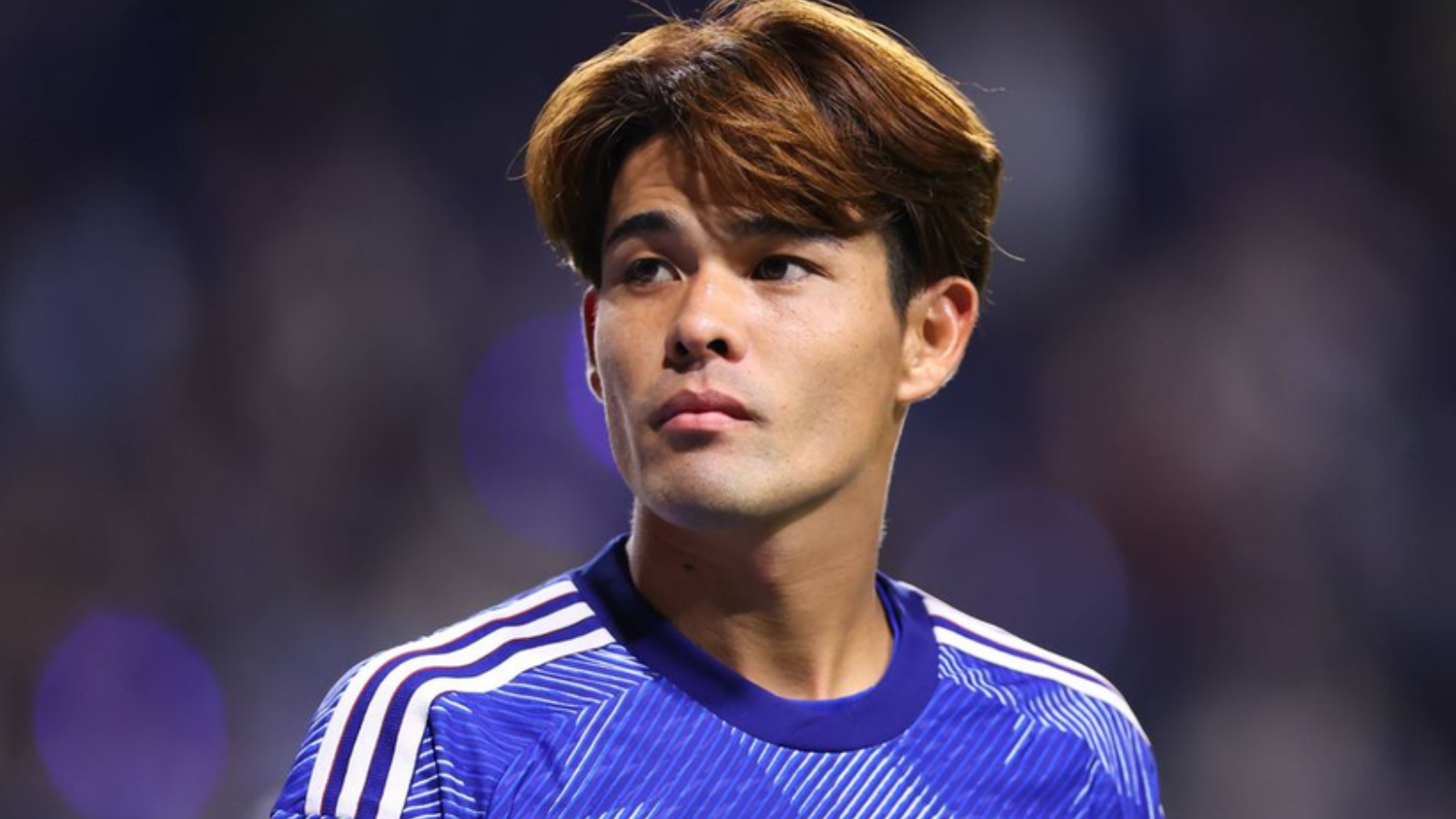
Kaishu Sano was a 23-year-old midfielder who had just signed a four-year contract with the German club Mainz 05, in early June 2024, when he was arrested in Tokyo in July 2024.
Reporting on the case is not fully consistent on its framing. Sano was arrested on the night of July 15, 2024, accused of sexually assaulting a woman at a hotel; several outlets have described it as a group or "gang" rape involving Sano and two other men. Two 20-year-old men were arrested alongside him near the hotel. Some accounts place the woman's age at 30 and describe the evening as beginning with a hotel dinner; others describe a group assault reported to police immediately afterward. What is consistent across reports is that a woman reported an assault, that the report led to the arrest of Sano and two co-accused, and that she contacted police right away.
Sano pleaded not guilty under questioning. His legal team then reached a private settlement with the complainant, involving substantial compensation, and the Tokyo District Public Prosecutors Office subsequently dropped the case. Because the settlement was confidential, the detailed account of what the woman alleged never became public; the money closed the criminal file and sealed the record at the same time.
Despite the not guilty plea, Sano issued a public apology that acknowledged fault, offering a "sincere apology to the victim for my actions that caused great trouble." The Japan Football Association described the episode as a "personal mistake," a characterisation widely criticised in Japan and abroad as minimising a rape allegation, and functioning as the federation's own justification for keeping him available.
At the time of the arrest, Mainz said it "cannot yet evaluate or comment on these reports due to a lack of information" and was "endeavoring to clarify the matter as quickly and comprehensively as possible." His former club, Kashima Antlers, said it was "very concerned." Sano kept his place in Japan's national team and scored against Brazil at the 2026 World Cup.
Junya Ito
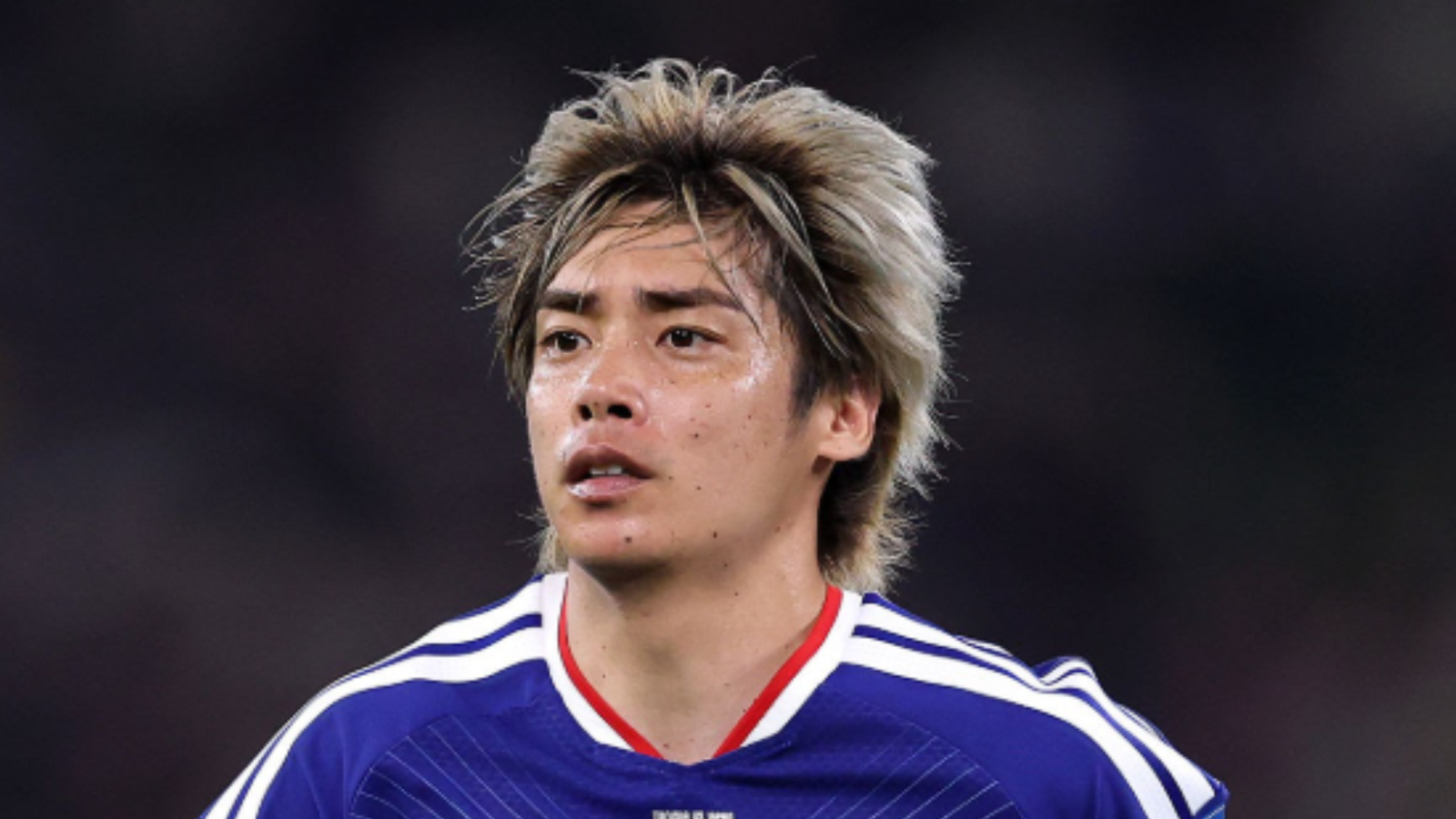
The Ito case began as a magazine exposé and metastasised into duelling lawsuits. In June 2023, after Japan beat Peru 4-1 in a friendly, an evening out in Osaka ended at a hotel. Two women say what happened there was sexual assault.
On January 31, 2024, the weekly Shukan Shincho reported that police were investigating Ito over a criminal complaint by two women who alleged he engaged in non-consensual sexual acts with them while they were intoxicated at the Osaka hotel. One of the women, then 20, gave the magazine an account later widely cited: "When I woke up, Ito was on top of me. The room was dark, but I could see his face in front of me. I remember it very well." One woman, referred to in later coverage as Ms. B, alleged her dress "was also lifted up, exposing her chest." The women filed their complaint about two weeks after the incident.
Ito acknowledged sexual contact but insists it was consensual, and he counterattacked hard. His lawyer, Hiroharu Kato, publicly released a video that, the defence said, showed one of the women asleep at the hotel wearing a football jersey Ito had given her, with "no sign of disarray in her clothing," to argue the women had voluntarily changed into the jerseys, saying it was "easier this way," and that this contradicted their account of being assaulted. "There is objective evidence indicating that there was no sexual assault," Kato said. The tactic drew its own criticism, since it involved filming a sleeping person and releasing the footage publicly to discredit a complainant. Ito's camp used the alleged discrepancy as the basis of a counter-complaint accusing the two women of making a false accusation.
On February 1, 2024 the Japan Football Association withdrew Ito from the ongoing AFC Asian Cup, saying it had considered "Ito's physical and mental condition"; Japan's coach later described the withdrawal as "mutual." The same day, Ito filed a counter-complaint against the two women. On February 19, 2024, he filed a lawsuit at the Osaka District Court, later moved to Tokyo, seeking roughly 200 million yen in damages, citing lost sponsorships; his personal trainer filed alongside him. In July 2024, both Ito and the two women were referred to prosecutors.
On August 9, 2024, the Osaka District Public Prosecutors Office dropped all charges against Ito, citing a lack of evidence, and separately declined to indict the two women over his counter-complaint. Neither side's version was found provable. Ito returned to the Japan squad and continues to play.
Gonzalo Montiel
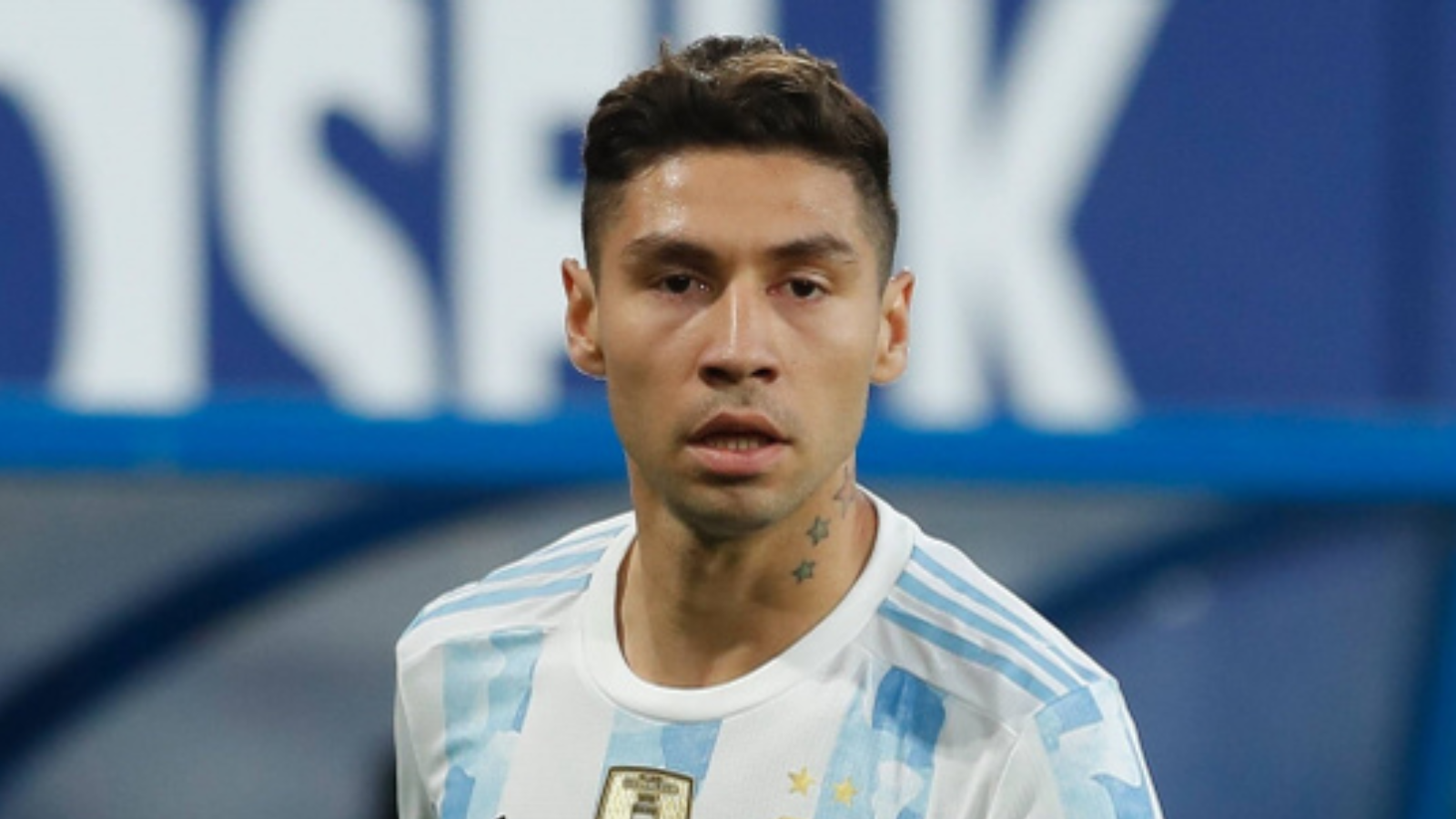
Gonzalo Montiel scored the winning penalty in the 2022 World Cup final. The allegation against him predates that fame by years, and resurfaced during it.
A woman alleged that at Montiel's New Year's birthday gathering on January 1, 2019, she lost consciousness and woke hours later on the street outside his home, with no memory of what had happened. In audio aired by an Argentine radio station, she said: "I woke up at six in the evening, and they told me that they raped me. I didn't remember anything at all." She also described being intimidated afterward, saying a car had appeared outside her house and that she was afraid. Her lawyer, Raquel Hermida Leyenda, characterised the case as "aggravated sexual assault with carnal abuse."
Montiel was charged and denied it throughout. A judge ordered psychiatric evaluations in 2024. In December 2024 the case was dismissed, with the presiding judge citing "contradictions in the complainant's story." Montiel called it "a totally false accusation," saying: "They used my name to give it notoriety and make public a case in which I had absolutely nothing to do," and that the ordeal "harmed my family and my wife, who, being pregnant, had to deal with this lie." He remains in Argentina's squad.
Thiago Almada
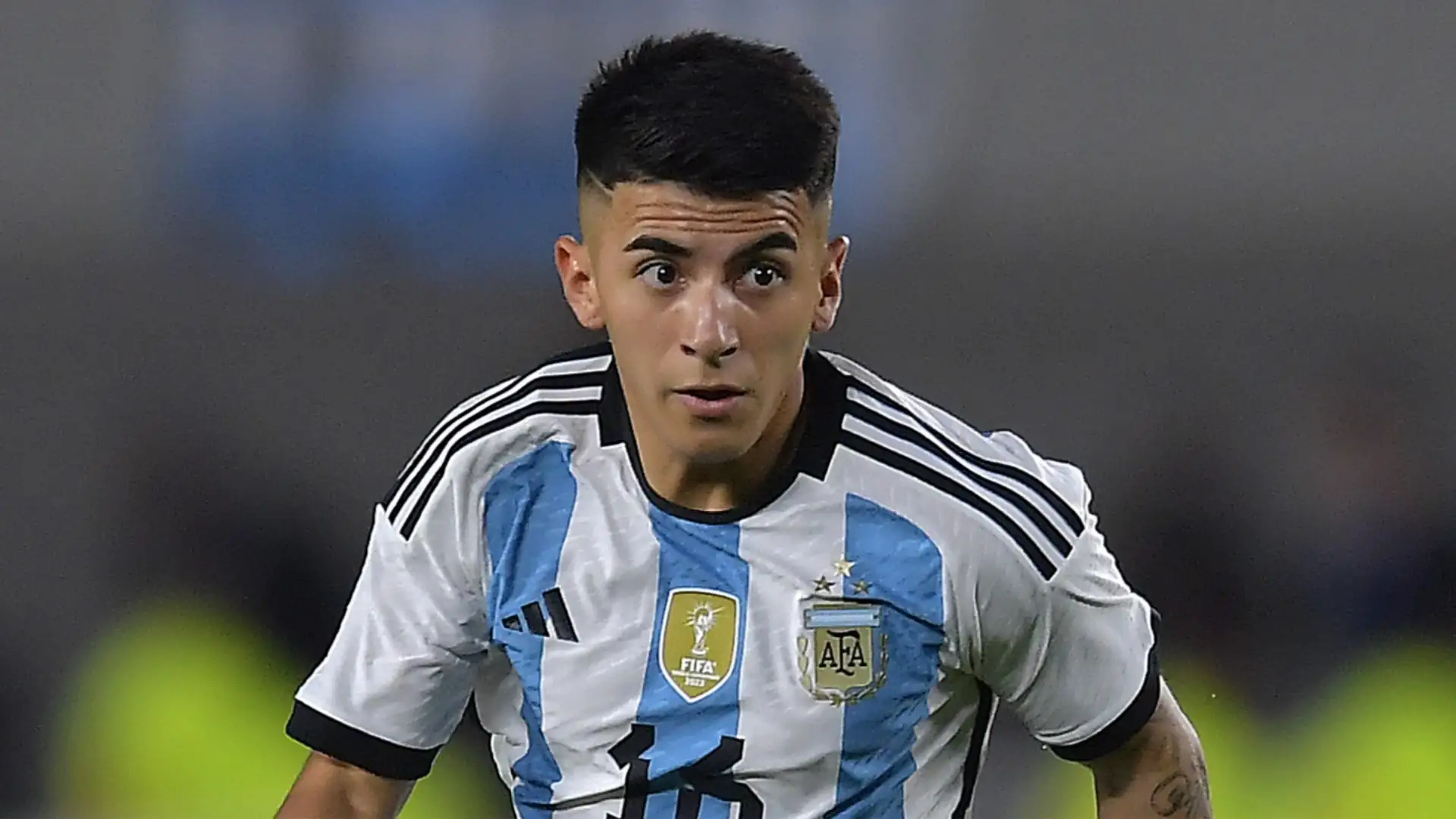
Thiago Almada was named in a December 2020 complaint alleging that he sexually abused an unconscious woman, together with two other men, at a clandestine party during Argentina's pandemic lockdown. The party was reportedly hosted by footballers at a rented house in the Camino Real area of Boulogne, in the San Isidro district north of Buenos Aires.
As set out at the charging stage, the woman's account describes incapacity rather than total unconsciousness. She says she went to a bedroom with Thiago Almada willingly, drank something, and began to feel unwell and disoriented, and that Miguel Brizuela, then also a Vélez player, and another woman then entered the room and sexual acts continued without her consent. She says she never wanted Brizuela involved, and that "the three people continued even when she screamed she didn't want anything more." Her lawyer, Raquel Hermida Leyenda, put it flatly: "We always said the players were guilty. They took advantage that she was in shock the day of the incident."
On February 9, 2021, the San Isidro gender-crimes prosecutor, Laura Zyseskind, formally charged (imputó) Almada and Brizuela with "abuso sexual agravado por acceso carnal y abuso grupal," aggravated sexual abuse with penetration and group abuse. A third man, the coach Juan José Delbene Acuña, was also implicated and evaded arrest for roughly seven months. Vélez suspended Almada and Brizuela, then reinstated them within days, citing "new evidence, expert findings and testimony." The case stalled, and the dispute became about whether it was being shelved to free him to play. After Zyseskind left the file, a new prosecutor, Marcelo Fuenzalida, provisionally archived (archivó) the case against the two players for insufficient evidence. Hermida Leyenda petitioned to reopen it and accused the system of shelving it precisely so Almada could travel and play. In November 2022, with Almada named to Argentina's Qatar World Cup squad, she announced she would take the complaint to FIFA to try to have him removed, said "FIFA is lying," and stated that she and her client had received threats. Her sharpest line about the archiving was aimed at the investigation itself: "Claro que no va a haber pruebas sin investigación," of course there will be no evidence without an investigation. Almada, then 21, remained under imputación through that period, was selected, and played at Qatar 2022.
The case never reached a trial of the footballers. It was ultimately shelved against Almada and Brizuela for lack of evidence, and by October 2024 Almada was no longer imputado. The one person held responsible was the non-player, Delbene Acuña was convicted and sentenced to five years for attempted aggravated sexual abuse.
Cristiano Ronaldo
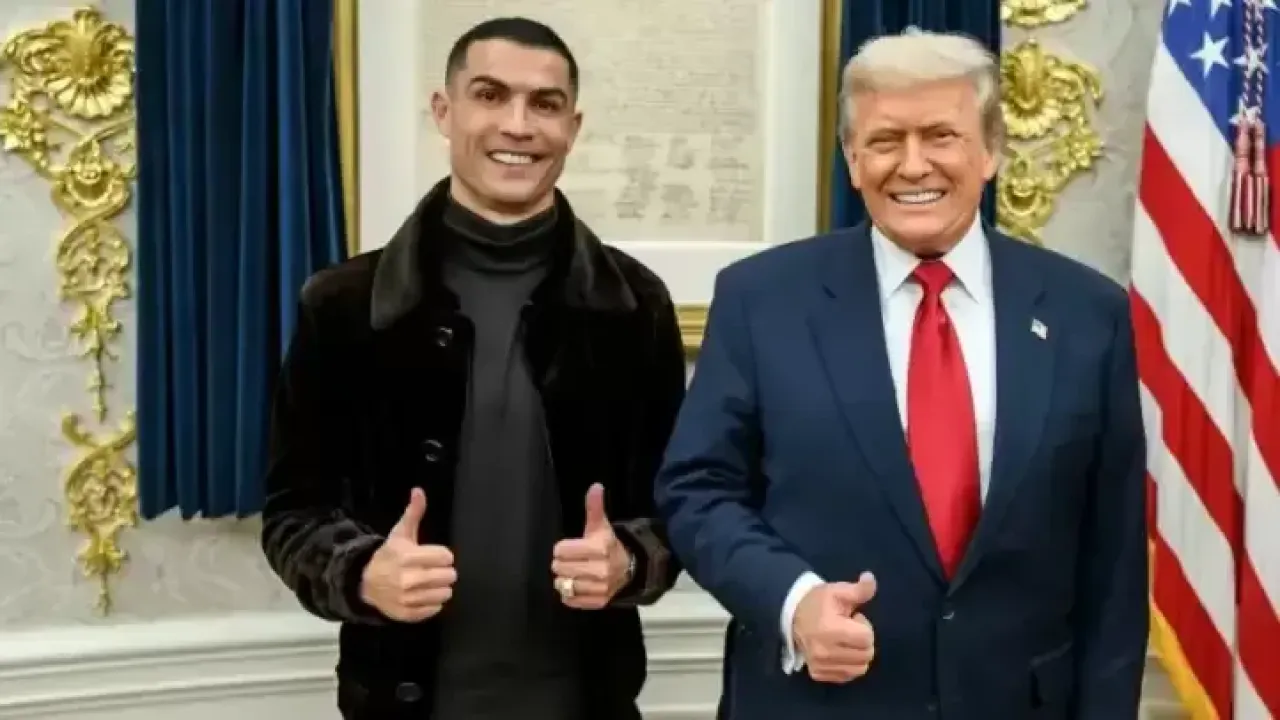
On June 12, 2009, Cristiano Ronaldo met Kathryn Mayorga, then a 25-year-old teacher and model, at a nightclub at the Palms in Las Vegas. They went to his penthouse suite, where Mayorga alleges Ronaldo raped her.
Ronaldo has always maintained the encounter was consensual. She reported the assault to Las Vegas police the next day, June 13, 2009, and a hospital examination documented "swelling, bruising and laceration," after which she was given antibiotics. But she did not name Ronaldo to police at the time, and the case was closed. Her later account, reported from the leaked Football Leaks documents, is that she told him "no" and "stop" repeatedly. According to Der Spiegel's reporting on the settlement file, a questionnaire among Ronaldo's own legal materials acknowledged that she had said "no" and "stop" during the encounter; Ronaldo's side has disputed the authenticity of leaked documents.
In January 2010 the two sides reached an out-of-court settlement: $375,000 to Mayorga in exchange for a non-disclosure agreement barring her from discussing the allegation publicly. In 2017, the German magazine Der Spiegel exposed the allegation and the settlement through the Football Leaks project; Ronaldo's representatives called the story "journalistic fiction." In September 2018, amid the Me Too movement, Mayorga publicly identified herself as the accuser and filed a civil suit in Nevada seeking to void the settlement, arguing she had signed under psychological duress and lacked the capacity to consent to its terms. Las Vegas police reopened the criminal investigation and sought a DNA sample from Ronaldo.
In 2019, Nevada prosecutors announced they would not pursue criminal charges, stating the allegation "cannot be proven beyond a reasonable doubt." The civil case moved to federal court. In 2022, U.S. District Judge Jennifer Dorsey dismissed it, and sanctioned Mayorga's lead attorney roughly $335,000 for bad-faith reliance on leaked, privileged documents, a ruling about the lawyer's conduct rather than the truth of the underlying account. The Ninth Circuit heard the appeal in 2023 and it failed.
Ronaldo has consistently denied the allegation. On Piers Morgan's programme he called the episode one that made him "feel so bad" and "embarrassed," while maintaining his innocence. No criminal charge was ever brought to trial, and the civil claim ended on procedural grounds, not a verdict on what happened in the room. Ronaldo has never been found guilty or acquitted of the underlying allegation. He captained Portugal at the 2026 World Cup.
The match official
A match official on FIFA's April 2026 list of candidates for the tournament was arrested in Britain over an allegation of sexually assaulting a teenage boy at a hotel while he was there for a UEFA fixture. The Metropolitan Police arrested and then released on bail a man in his 30s. The alleged victim is a minor, which is why almost nothing about the account has been or should be reported. FIFA said the official "will not be considered for any FIFA competition matches" while the investigation continues, and UEFA said it would not select him for its games, describing the matter as "an active investigation." FIFA has not named the man, and no charge has been reported. He is the only figure FIFA has removed from its 2026 pool over such an allegation.
The pattern the nine cases share
Elite men's football concentrates money, mobility and institutional protection in its stars and disperses risk onto the people around them. A player at a World Cup can make in a week what one of the team's support staff makes in a year. He travels inside a delegation that decides who gets accreditation and who gets access. Behind him sit club and federation lawyers whose budgets a private accuser can't come close to matching. And in the Mendes case the accuser wasn't just poorer than the man she named, she worked for his team. He was her captain. The gap there isn't only about money. It's about who answers to whom.
That money and power imbalance shapes the outcomes of these cases at every stage. Take the private settlements, the kind that ended the Sano case and Ronaldo's first go-round. They turn a criminal complaint into a quiet deal behind closed doors, something only a rich defendant can put on the table, and once it's signed the public record basically disappears. That's a big part of why so few of these women have an account anyone can point to. Then there are the non-disclosure agreements, which buy the accuser's silence and leave the player's denial as the only version anyone gets to hear. And when a player like Ito sues his accusers for lying, demanding damages in the hundreds of millions of yen, the message to the next woman thinking about coming forward is hard to miss.
Montiel's case was thrown out, with the court flatly calling the accusation false. Almada's was shelved for lack of evidence. Prosecutors looked at Ito and charged no one. Ronaldo was never charged at all. Innocent until proven guilty, but also, for many, not acquitted of guilt either, just hidden behind NDAs and financial payoffs. But money and power don't decide who's guilty or innocent. They decide what happens after the accusation. They're why a man can be named, sometimes even charged, and still walk out onto the field at a World Cup with millions of adoring fans cheering worldwide, while the person who accused him pays for having spoken, if she was ever in a position to speak at all.