Poland asked its NATO allies on 23 November to consider shooting down Russian missiles while they are still over Ukraine if they are heading for alliance territory, Bloomberg reported, citing people familiar with the discussion.
The Polish delegation put the proposal to a meeting of NATO ambassadors in Brussels. Some allies backed it, but the sources did not name them, and the talks were preliminary and ended without a decision. Any such mission would need unanimous agreement, which the sources said does not exist, along with advance warning from Ukraine, NATO access to Ukrainian airspace and coordination by the alliance's top military command. The sources described the idea as contentious because extending NATO's air defence over Ukraine could draw allies into direct confrontation with Russia.
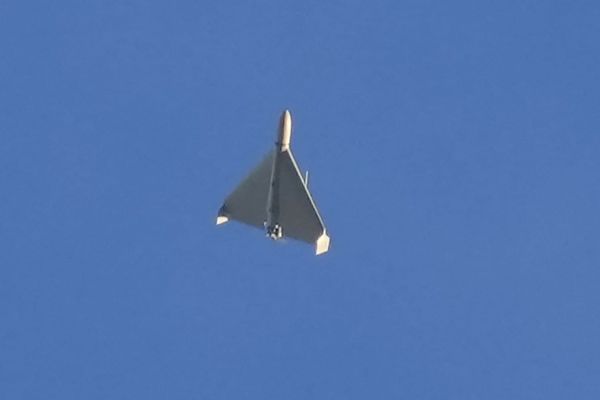
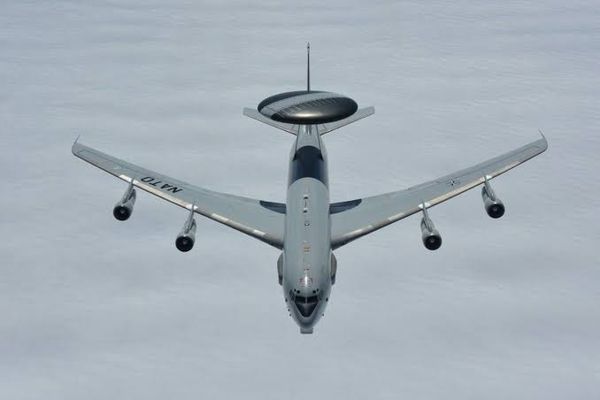
The meeting followed the night of 20 November, when three Russian Kh-101 cruise missiles fired during an attack on Ukraine came down near Nowy Lipowiec, Rudnik nad Sanem and Mołodycz in south-eastern Poland. Nobody was killed. Late on 23 November, hours after the ambassadors met, a Russian jet-powered reconnaissance drone crossed into Lublin province near Dorohusk for several minutes before turning back. The ambassadors agreed the same day to send a NATO AWACS early-warning aircraft to Poland.
Władysław Kosiniak-Kamysz, the defence minister, said discussions on intercepting missiles before they reach NATO airspace had been under way for a long time and that no single country could do it alone. He said allies were more willing to discuss the idea than before but had not resolved to act. Radosław Sikorski, the foreign minister, has said that bringing down a missile over Ukraine at Ukraine's request would be self-defence, because a missile approaching Polish airspace is already a direct threat.
Tomczyk's briefing
Cezary Tomczyk, a deputy defence minister, gave a more cautious account at a news conference in Warsaw on 25 November. "The Alliance is not currently in favour of shooting down missiles over Ukraine," he said, citing numerous complications, and he said every major decision about Ukrainian airspace had to be taken jointly by the whole alliance. He declined to confirm that Poland had made the request.
The government is drafting a regulation to create a no-fly zone along the eastern border, a step Poland can take on its own, Tomczyk said at the same briefing. It should take effect at the end of December or the beginning of January. The zone would reach between a dozen and several dozen kilometres into Polish territory. He described it as an extra tool for the military, intended to make it easier for fighter pilots to work near the border.
Two draft regulations are listed in the government's legislative programme. The first creates a permanent zone, designated SOP1, where restrictions apply around the clock and where, between sunset and sunrise, the airspace would be left unclassified to give the armed forces freedom to act against objects crossing the eastern border. The second, SOP2, restricts flights from 22:00 to 06:00 local time. The boundaries of both zones have yet to be published.
Poland has run a narrower restriction along its borders with Ukraine and Belarus since September 2025, renewing it every three months. The current version, designated EP R134 under a notice to airmen, runs from 10 September to 9 December 2026. It covers eastern Poland up to about 3 kilometres, with a full ban on civilian flights at night except for military aircraft and specially coordinated flights. Airliners cruising at higher altitudes are unaffected.
Positive identification
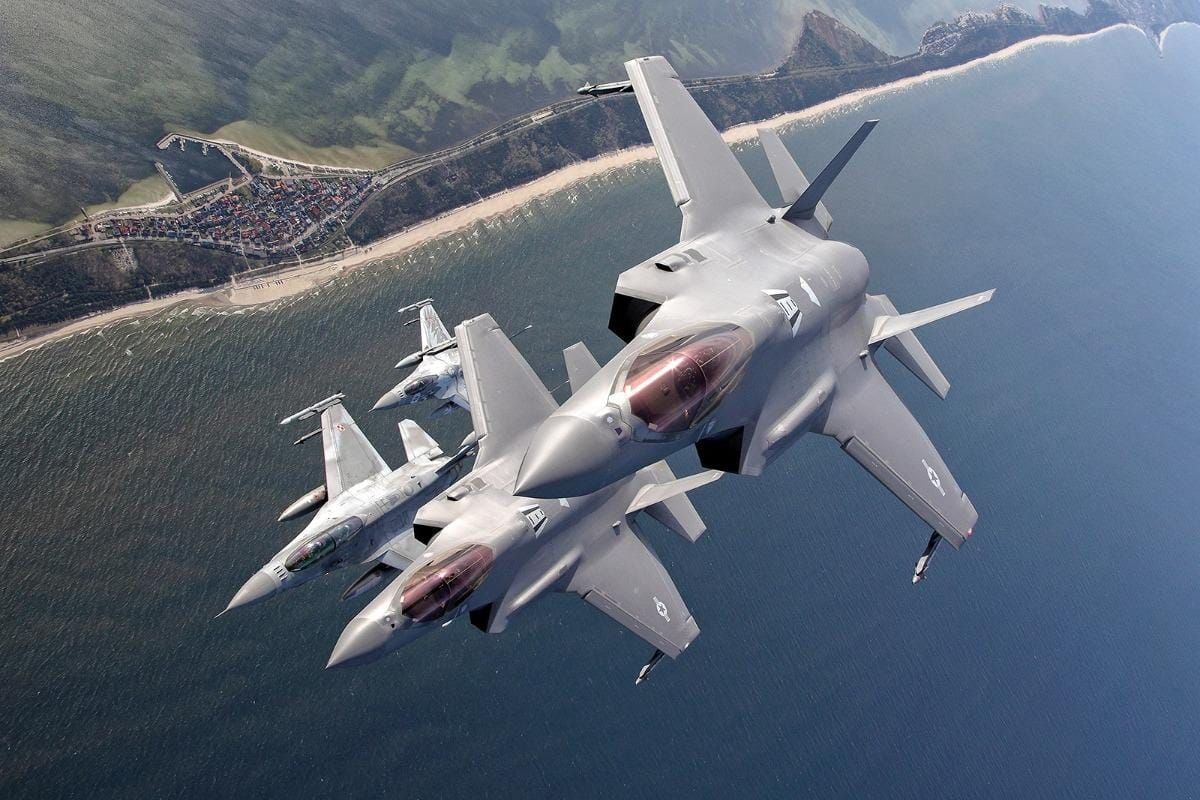
The new zones are meant to support a rule change the defence ministry made two months ago. At the request of Gen Ireneusz Nowak, head of the Armed Forces Operational Command, pilots can now identify an intruder from radar readings and other data and decide to shoot it down, a procedure the ministry calls positive identification. Visual identification was previously required, Tomczyk said.
Polish commanders authorised a shoot-down of the 23 November drone but held fire after it turned east, weighing the risk to people on the ground. The three missiles of 20 November were not engaged. Kosiniak-Kamysz has suggested that the missiles may have been aimed at the Coalition of the Willing's first military exercise, Koalicja, which ran in south-eastern Poland from 9 to 22 November.
Sikorski first floated NATO action over Ukraine in September 2025, after 19 Russian drones entered Polish airspace and Polish and Dutch jets shot several down. He said then that NATO and EU countries could do it technically, but that Poland could not decide alone. NATO rejected Ukraine's request for a no-fly zone over its territory in the first weeks of the full-scale invasion in 2022, on the grounds that enforcing it would widen the war.
The current border restriction expires on 9 December. Tomczyk said the government wants the new regulation adopted by the end of the year.