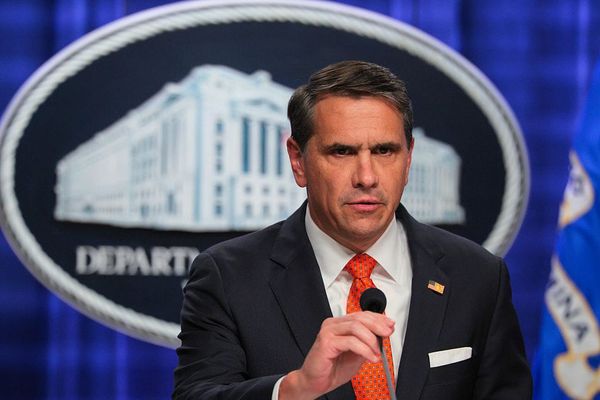
New Mexico Attorney General Raúl Torrez accused the US Justice Department of withholding unredacted Epstein records central to the state's criminal investigation of Zorro Ranch, in a 30 June letter to Acting Attorney General Todd Blanche and Associate Deputy Attorney General Diego Pestana that his office released on 9 July.
Torrez is a Democrat with subpoena power and no federal case of his own to protect, which makes him the official most able to force disclosure the department has resisted in court. The records he wants hold the names of survivors, witnesses and potential co-conspirators tied to the estate south of Santa Fe where Epstein hosted guests for more than two decades. He has threatened to pursue a state-court subpoena if the department does not hand them over.
The letter set out six attempts to reach the department since 13 February, beginning with a request for documents and including an effort to meet in person during a trip to the capital. More than 130 days had passed with verbal assurances of cooperation but no access and no substantive reply, Torrez wrote, calling the delay unreasonable under any rule of reason. "Every day that the USDOJ withholds these records, the foundation upon which a New Mexico prosecution could be built erodes," he wrote, adding that witnesses relocate and become unreachable, memories fade, and physical evidence degrades with time.
A department spokesperson, Kiersten Pels, disputed that account and said the department had "substantively responded last month" to the state's requests. The department welcomes New Mexico's investigation, stands ready to assist, and will help pursue any federal crimes it uncovers, Pels said.
What reopened the case
Torrez reopened the New Mexico investigation in February 2026, after the federal release of millions of Epstein files surfaced material about the ranch that earlier inquiries had passed over. The state first opened an Epstein investigation in 2019 under Torrez's predecessor Hector Balderas, whose office was asked by the US Attorney for the Southern District of New York to stand down so federal prosecutors could pursue their own case. That case ended with Epstein's death in a New York jail and no charges against associates beyond Ghislaine Maxwell. Torrez's letter frames the current standoff as the direct result of that deference: New Mexico gave way in good faith in 2019, handed its file to federal authorities, and now cannot retrieve the records it needs to resume what the federal request interrupted.
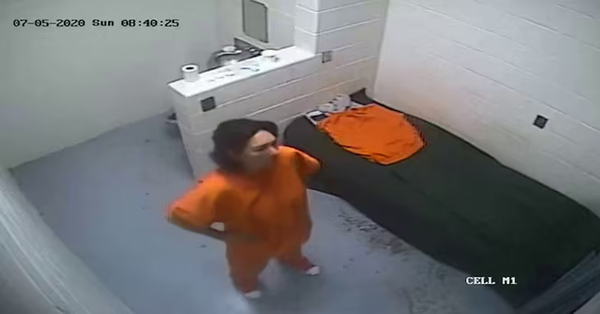
Among the released documents was a November 2019 email to the Albuquerque conservative talk-show host Eddy Aragon, who forwarded it to the FBI, where it was recorded on a bureau form. The anonymous sender, claiming to be a former ranch employee, offered seven videos of abuse, at least one said to show sex with a minor and described as insurance against future litigation, along with the location of two foreign girls the sender said were buried in the hills outside the ranch, all for one bitcoin. The buried-bodies claim is unverified, and how far law enforcement pursued it before this year is not clear.
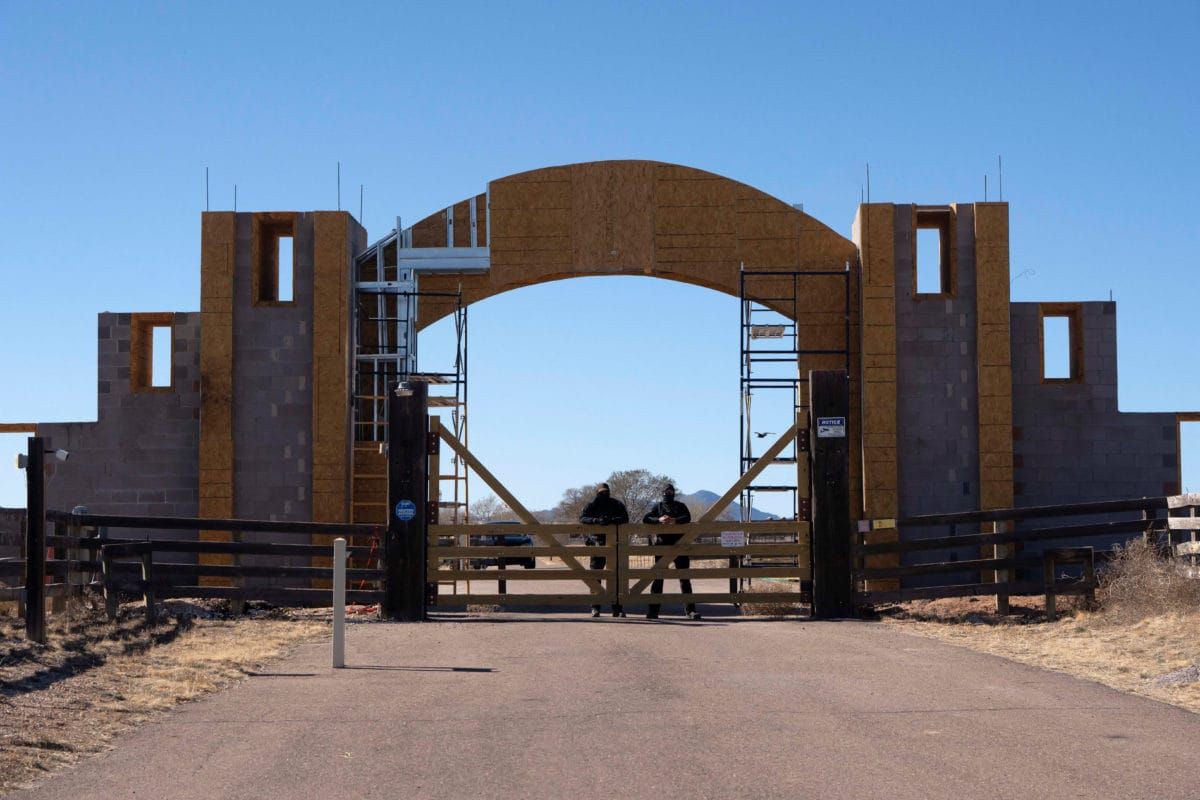
State authorities searched Zorro Ranch in March 2026, using New Mexico State Police and Sandoval County cadaver dogs and drones. Epstein bought the property in 1993 from former Governor Bruce King and built a compound on it that grew to include a mansion, a private airstrip, a helicopter pad and a hangar. Survivors including Virginia Giuffre, who died in 2025, and Maxwell-trial witness Annie Farmer have said the ranch was one of the sites where Epstein abused them. The remote estate had escaped the scrutiny applied to Epstein's homes in New York, Florida and the Caribbean, and investigators had apparently never searched it during the federal case. Rick Illmer, an attorney for the ranch's current owner, said that to his knowledge no physical evidence of criminal activity by the prior owner was found in the March search.
The truth commission
New Mexico became the first state to convene a bipartisan truth commission into Epstein's crimes, a legislative panel with subpoena power created by a resolution that passed the state House unanimously on 16 February 2026 and due to report by the end of the year. The commission, chaired by Democratic state Representative Andrea Romero, has subpoenaed several banks, multiple US Attorneys offices, the offices of Torrez and Governor Michelle Lujan Grisham, and a local nonprofit with ties to Epstein. It has hired an Albuquerque legal team on a 750,000-dollar budget. Romero has said her panel and the state Justice Department are working together while pursuing different ends, hers a public accounting of what happened over 26 years, the department's a possible prosecution.
Torrez has separately ordered dozens of companies to preserve records related to Epstein and his associates. The two efforts run in parallel, the attorney general building a criminal case and the commission compiling a public record, and both are reaching for material the federal department holds.
What the state can and cannot do
Zorro Ranch, now called Rancho de San Rafael, passed in 2023 to Don Huffines, a former Texas state senator and real estate developer who is the Republican nominee for Texas comptroller and was endorsed for that race by Donald Trump. Huffines family members bought the estate through an LLC at auction four years after Epstein's death, when it was marketed with proceeds to go to victims, and Huffines has said he intends to turn it into a Christian retreat and is cooperating with the state. His acquisition places no allegation against him; the New Mexico inquiry concerns Epstein's conduct while he owned the property.
State prosecutors may be limited in what they can build without the federal records, which is the hold the department has over the state inquiry and the reason Torrez has gone public. New Mexico faces real obstacles its own officials have named: Epstein is dead, the ranch has changed hands, physical evidence may no longer exist, and the statute of limitations has likely run on many potential offences. The unredacted records are what could still identify living survivors, witnesses and associates while there is time to reach them.
The Justice Department's own inspector general is reviewing how the Epstein files were redacted. Torrez's 130-day request remains unanswered as he describes it, the unredacted records remain sealed, and the commission's report is due by the end of 2026.